Last updated November 20, 2026
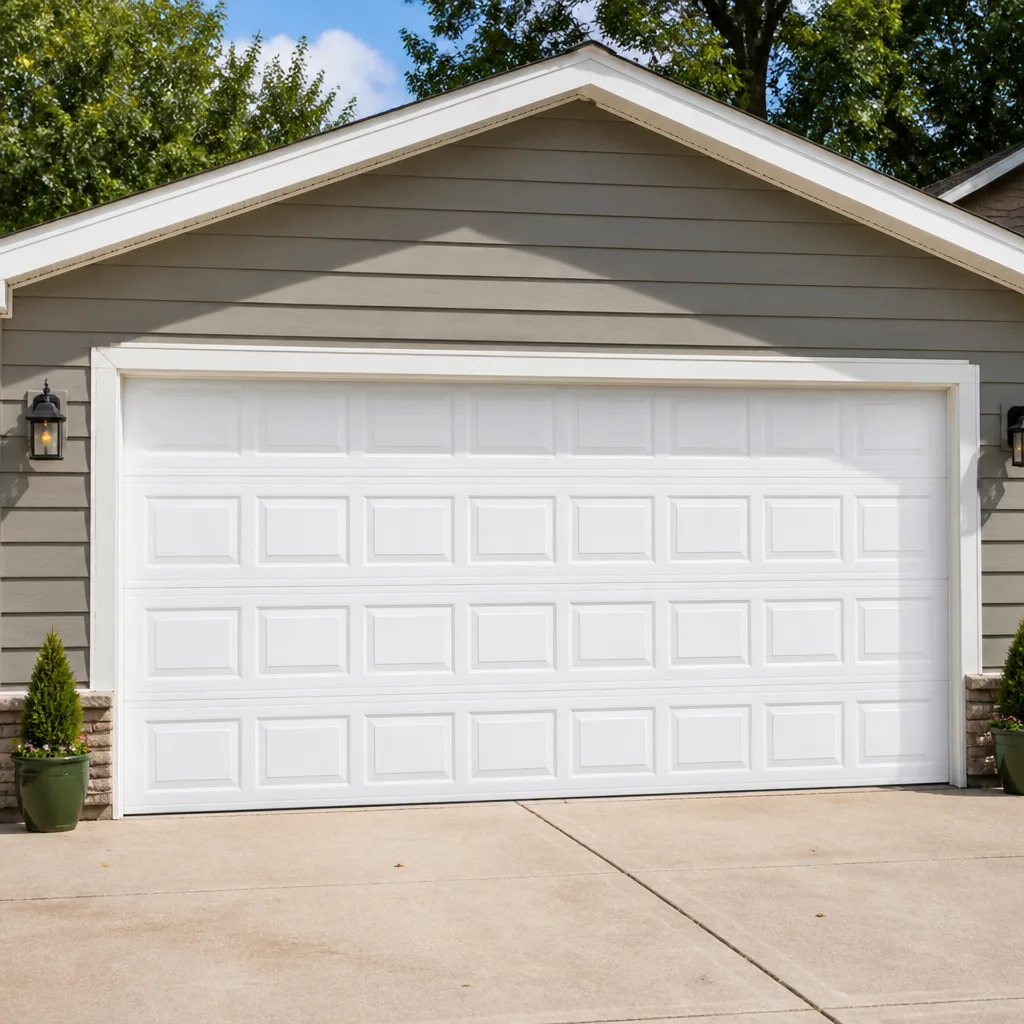 Raised-panel steel
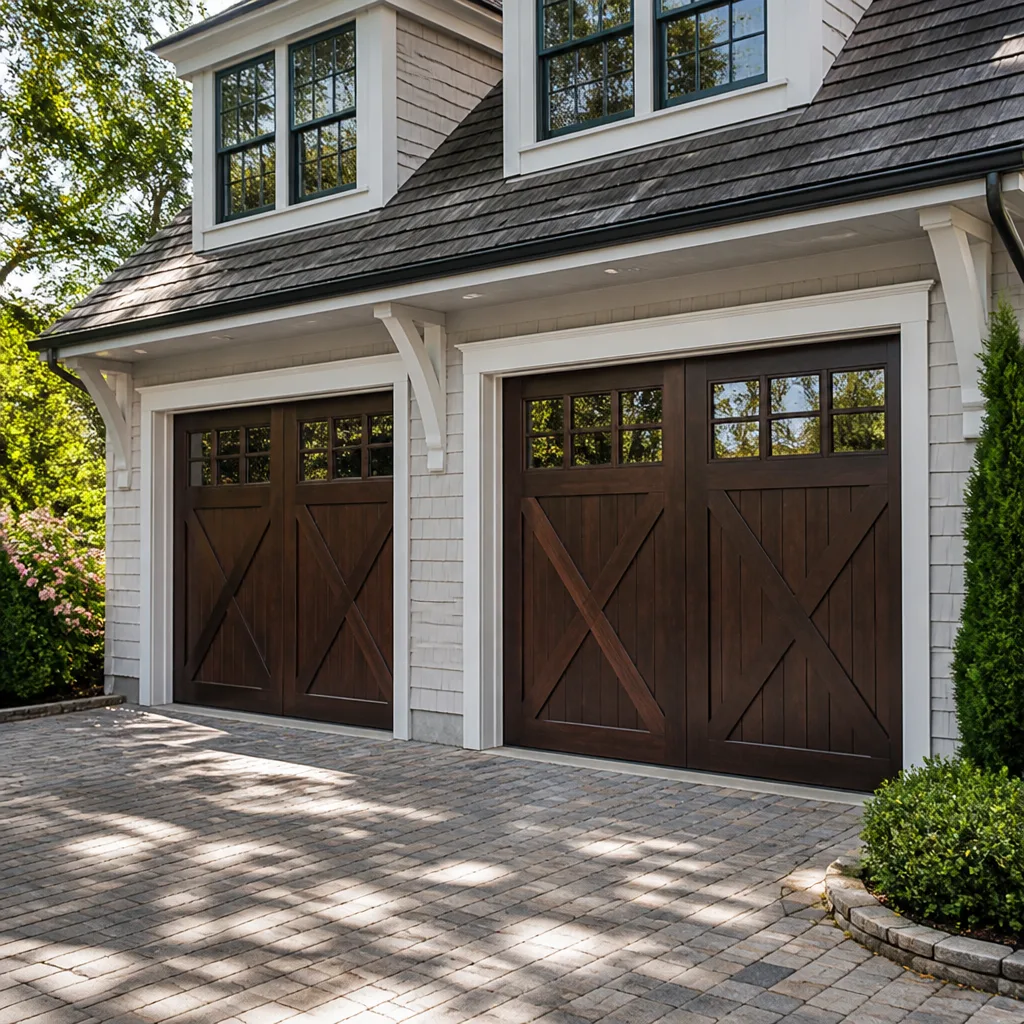 Carriage house
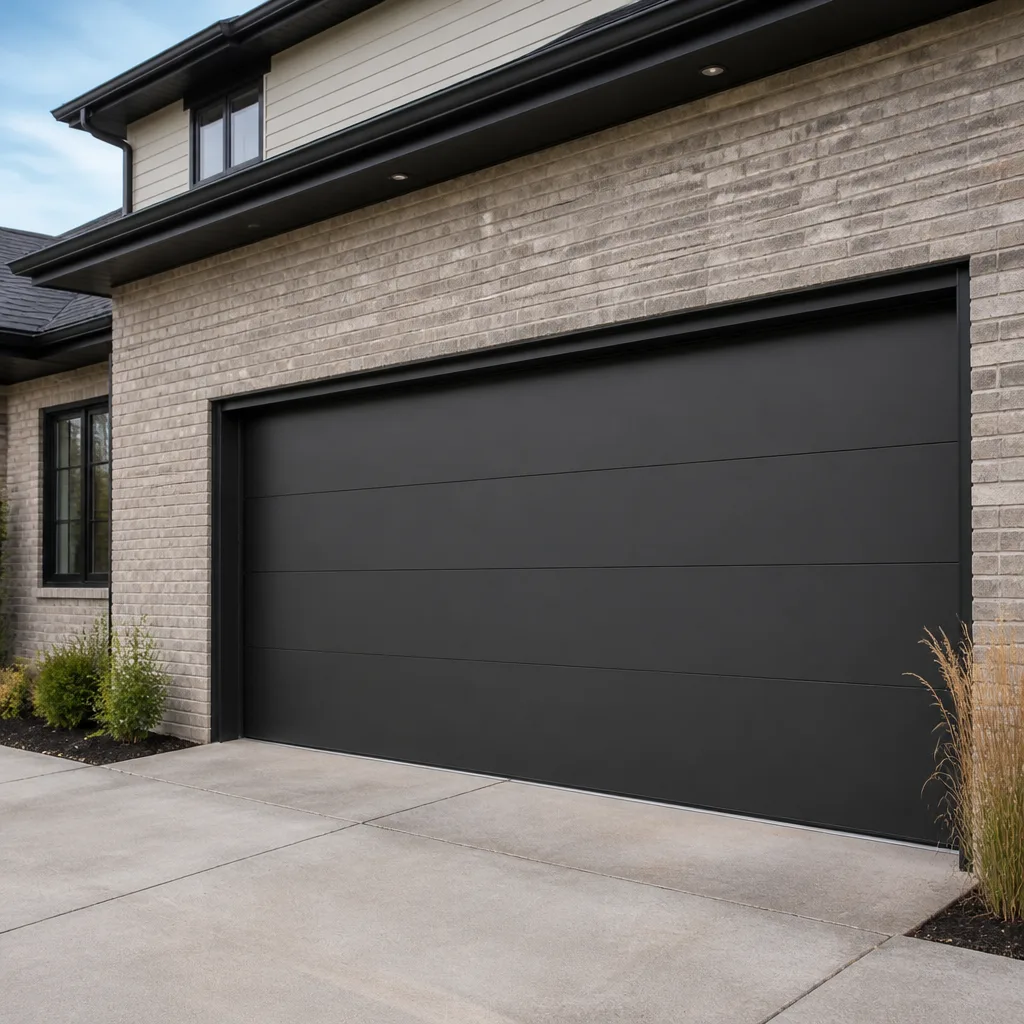 Modern flush
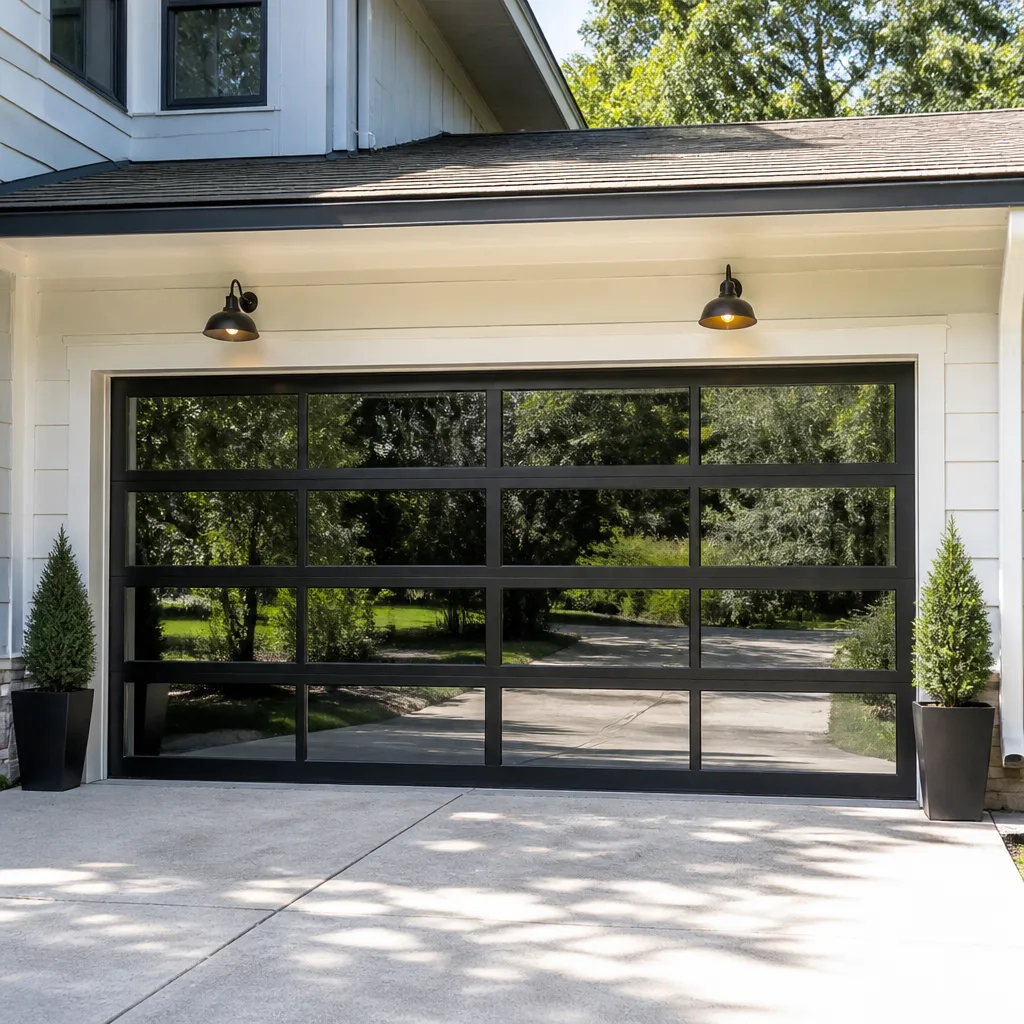 Full-view glass
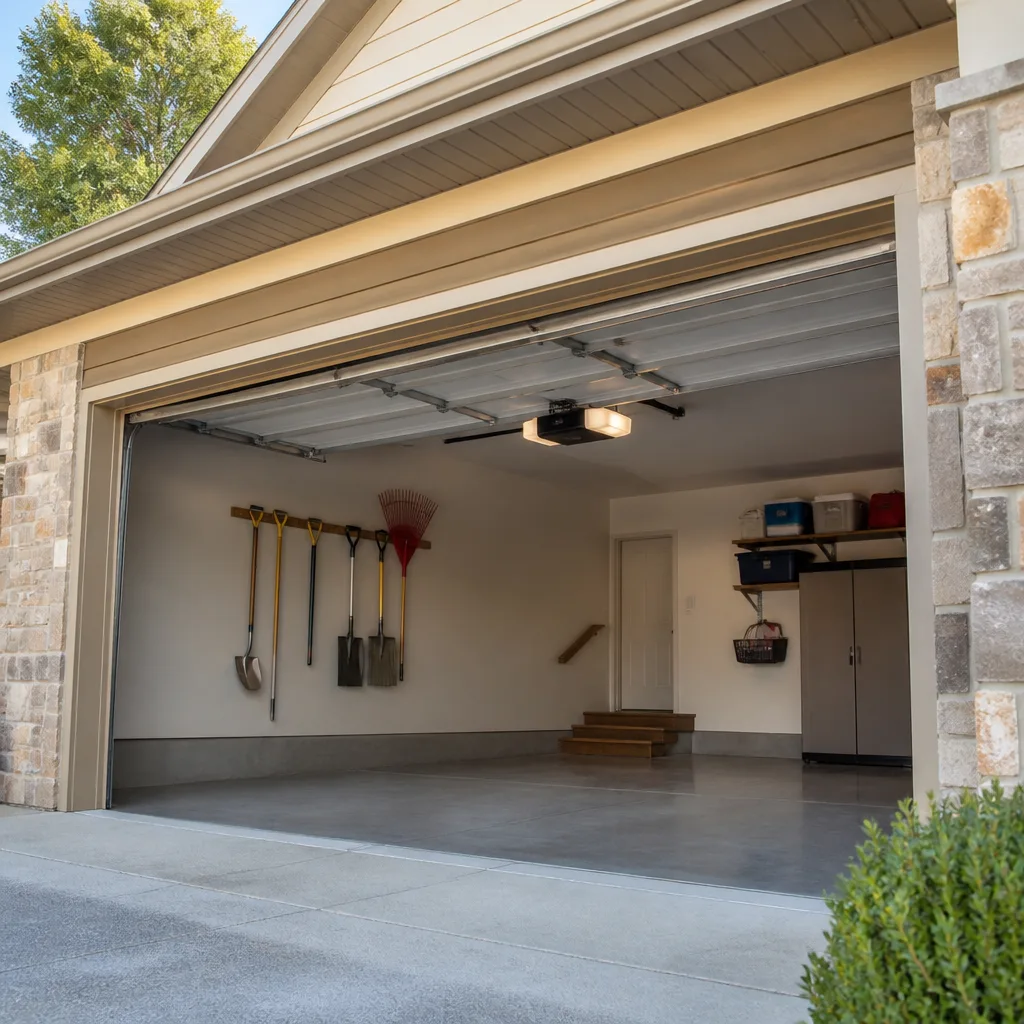 LiftMaster openers
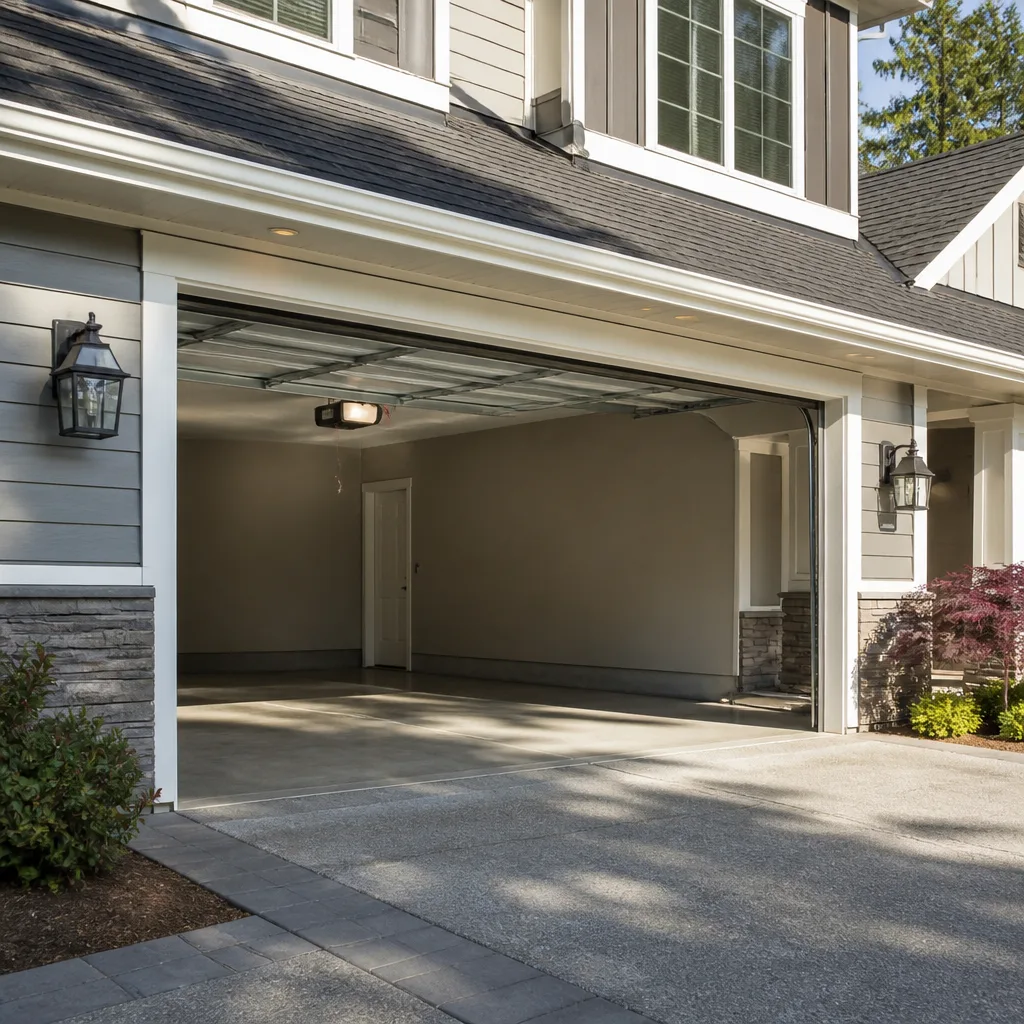 Chamberlain openers
Full 25-point door and opener safety check with every visit - springs, cables, rollers, tracks, and your LiftMaster or Chamberlain opener included
You get a price before we start. It does not change when the pro arrives.
Get your free estimateSeasonal Garage Door Care for Westlake: Year-Round Homeowner’s Guide
Most homeowners treat garage door maintenance as one chore on one list, done whenever they remember. That’s the wrong model for Westlake. A garage door here faces four genuinely different mechanical environments over twelve months: summer heat that softens vinyl and cooks opener circuit boards, fall leaf debris that packs into tracks, winter freeze-thaw that shifts the concrete the door sits on, and spring thaw that exposes everything winter loosened. Each season stresses a different part of the system. Address them in sequence and a door runs quietly for years. Ignore the sequence and you’ll meet the same technician every January. This guide walks through what to check, when to check it, and when to stop and call someone.
Quick Answer
Seasonal garage door care in Westlake means four focused checkpoints: a pre-winter lubrication and weatherseal test in October, winter opener sensitivity adjustments for frozen ground, a post-thaw inspection of the bottom seal and cable drums in March, and summer attention to UV damage on panels and heat exposure on opener electronics. Done in that order, the four visits take under an hour each and prevent most of the failures that fill repair calendars across Northeast Ohio once temperatures drop.
Styles & brands we work with
- Raised-panel steel
- Carriage house
- Modern flush
- Full-view glass
- LiftMaster openers
- Chamberlain openers
Table of Contents
- Why Seasonal Care Works Better Than Annual Care
- Fall: The Pre-Winter Checklist That Matters Most
- Winter: Operating Adjustments for Frozen Ground
- Spring: Post-Thaw Inspection Priorities
- Summer: The Season Most Guides Skip
- Your Westlake Seasonal Task Calendar
- How Westlake’s Climate Shapes the Schedule
- Common Mistakes to Avoid
- When to Call a Professional
- Frequently Asked Questions
Why Seasonal Care Works Better Than Annual Care
A garage door is a balanced mechanical system: springs counterweight the door, cables transfer that force, rollers ride in tracks, and the opener supplies the final push. Every one of those components responds to temperature differently. Steel tracks expand in July and contract in January. Lubricant thickens in cold. Weatherseal rubber stiffens below freezing and loses its rebound. The torsion springs themselves behave differently at 15°F than at 85°F.
That’s why a single annual tune-up misses things. A spring check in June tells you nothing about how the door will behave in a hard freeze. A weatherseal test in April doesn’t predict whether it will seal in December.
We think about it this way: each season leaves the door in a particular mechanical state, and the next season inherits that state. Sequence matters because the tasks are load-bearing on one another.
- Fall sets up winter. Fresh lubricant on the torsion bar and rollers keeps them moving when cold thickens the grease. A weatherseal that’s still pliable in October is the one that seals in January.
- Winter tests fall’s work. If the door strains or reverses on frozen ground, you know the opener’s sensitivity and the seal’s compression are both marginal.
- Spring reveals winter’s damage. Freeze-thaw cycles shift the slab the door sits on, and the bottom seal is the first thing to show it.
- Summer is when quiet deterioration happens. UV and heat work slowly on vinyl panels and circuit boards, so the damage shows up a season later if you’re not looking for it.
For homeowners in Westlake, the practical payoff is fewer emergency calls. Every call about a door that won’t close in January traces back to something that could have been caught in October. That’s the whole argument for a calendar instead of a to-do list, and it’s why we structure seasonal appointments this way rather than pushing a single annual service.
Fall: The Pre-Winter Checklist That Matters Most
Late October through early November is when a garage door needs the most attention, and it’s the window most homeowners miss because nothing feels broken yet. The goal of fall care isn’t repair. It’s making sure the door enters the cold months in the best mechanical condition it can.
Why Lubrication Timing Matters
Lubricating in fall rather than spring is the single most effective scheduling decision you can make. The lubricant you apply in October is still doing its job in February, when cold thickens grease and every moving part has to work harder. Apply it in spring and it’s mostly gone by the time you need it.
Focus on the torsion bar, the hinges, the rollers, and the bearing plates. Use a garage door lubricant, not WD-40 or a general household spray, and wipe off excess so it doesn’t attract grit. Avoid the tracks themselves: they’re meant to stay clean and dry, and greasing them collects debris that jams the door later.
Testing Weatherseal Compression Before Ground Temps Drop
The bottom weatherseal is the part of the door that most affects winter comfort, and it’s the one homeowners test at the worst possible time: mid-January, when the rubber is stiff and gives misleading results. Test it in October.
- Close the door fully and look along the bottom edge from inside, with the garage lights off and daylight outside. Any light visible under the seal means it isn’t compressing.
- Slide a piece of paper under the door at several points. If it pulls out freely, the seal isn’t making contact.
- Press the rubber with your thumb. It should feel pliable, not hard or cracked. Rubber that’s already stiff in fall will be worse in winter.
- Check the seal’s sides, where it meets the frame, for gaps that let cold air in around the door edges.
If the seal fails any of those tests, replacing it before the first hard freeze is straightforward and worth doing in October. We handle this as part of a broader garage door repair appointment, and we’d rather see a seal replaced in fall than see the door freeze to the floor in January.
Other Fall Tasks
- Clear leaves and debris from the tracks and the area around the door’s base. Wet leaves that freeze into the track will jam the door.
- Test the opener’s safety reversal: place a roll of paper towels under the closing door. It should reverse on contact.
- Check the cables for fraying at the drum end. Cables that are going to fail often show early signs in fall.
- Tighten hinge and bracket bolts. Metal contracts in cold, and loose hardware gets looser.
- Look at the balance: with the opener disconnected, lift the door halfway. It should hold there. If it sags, the springs need attention before winter.
None of these take long, and together they cover most of what causes a January service call in Westlake.
Winter: Operating Adjustments for Frozen Ground
Winter in Northeast Ohio doesn’t just make the door cold. It changes the ground the door closes onto. The concrete apron under the door heaves slightly with frost, and the bottom seal has to compress against a surface that’s no longer perfectly flat. That single change is the root of most winter garage door complaints.
Opener Sensitivity Settings for Frozen Ground Resistance
Modern openers have two relevant settings: the force limit and the travel limits. The force limit controls how hard the opener pushes before it gives up and reverses. If it’s set too tight, a door meeting frozen ground resistance will reverse before it fully closes and leave a gap. If it’s too loose, the opener pushes through minor obstructions that it should stop for.
The right adjustment is small and specific: increase force enough that the door closes fully on frozen ground, without giving the opener enough push to ignore a real obstruction. That usually means testing the door during a cold snap, not in a warm garage, and adjusting one click at a time. It’s fiddly work, and if you’re not comfortable with the opener’s manual, it’s the kind of thing worth a technician’s read. Our garage door opener repair calls in winter almost always include a force-limit adjustment for exactly this reason.
What Cold Does to Battery Backup Units
Battery backup units are increasingly common, and cold affects them differently than the opener itself. A battery that reads fine in fall can drop meaningfully in capacity in a cold garage, and an opener that relies on its battery after a power outage may not have the current it needs to lift the door. If you have a backup unit, check the battery’s indicator in fall and again in midwinter. A replacement battery is inexpensive; discovering a dead one during an outage is not.
Other Winter Tasks
- Knock ice off the bottom seal rather than chipping it. Chipping tears rubber.
- Keep the tracks dry. Water that freezes in a track is a jam waiting to happen.
- Listen for a change in the opener’s sound. A belt-drive Chamberlain or a Genie chain drive that suddenly gets louder is telling you something.
- Don’t force a door that won’t close. If it reverses repeatedly, the ground, the seal, or the opener force setting is off, and forcing it risks damage to the door or the opener.
Winter is also when a door that’s failing mechanically gives you the clearest warning signs, and they’re easy to mistake for normal cold-weather behavior. When the door sounds different or reverses more than once, that’s the cue to look further rather than the cue to wait for spring.
Spring: Post-Thaw Inspection Priorities
Spring is when winter’s damage shows up. Freeze-thaw cycles are hardest on the parts of the system that sit closest to the ground, and the inspections that matter most in spring are the ones aimed at what the thaw loosened or shifted.
What to Look For in the Door Frame
Walk the frame and look for gaps between the wood or metal frame and the surrounding wall. Frost heave can shift a frame fractionally, and a frame that’s no longer square forces the door to fight its tracks. Also look for cracked or soft wood around the frame’s base, which is what repeated moisture exposure leaves behind. If the frame is shifted, the door’s track alignment needs checking too, and that’s not a job to improvise.
The Bottom Seal and Cable Drums
Spring is the moment to look hardest at the bottom seal. A seal that survived winter is still the one you want to inspect for stiffening, cracking, or a permanent curve where it pressed against frozen ground. Replace it in spring rather than waiting for the next fall, so it enters the cold months fresh.
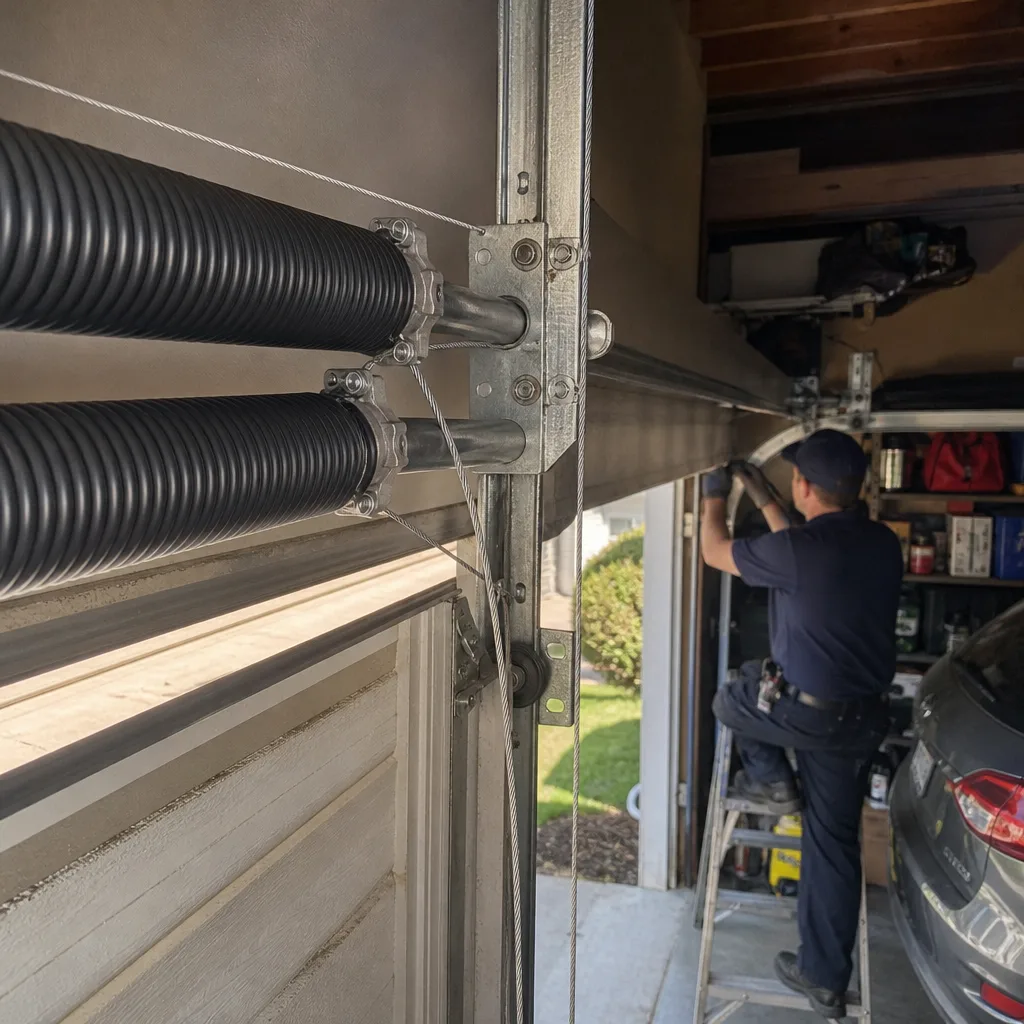
Cable drums sit at the top corners of the door, and the cables spool around them. In spring, look for rust, worn grooves, or a cable that’s jumped a groove. This part of the inspection is the one we most want homeowners to leave to us: the torsion springs and cables are under high tension, and even a visual check shouldn’t include reaching past the drum. We treat garage door spring repair as a dedicated safety specialty for exactly this reason, using correct tension tools and replacement hardware matched to the door’s weight and size.
Spring Checklist
- Inspect the door frame for gaps, cracks, and soft wood around the base.
- Check the bottom seal’s pliability and compression along its full length.
- Look at the cable drums for rust, wear, and cable seating, from a safe distance.
- Test the door’s balance: disconnect the opener and lift it halfway. It should hold.
- Re-lubricate the torsion bar, hinges, and rollers after winter.
- Test the safety reversal function again, since winter may have affected the opener’s settings.
If anything in that list looks off, a springtime appointment catches it before summer heat and fall leaf season stack more stress on top of it.
Summer: The Season Most Guides Skip
Summer care gets ignored because the door works, the weather is mild, and nothing feels urgent. But two forms of quiet deterioration happen in summer, and both show up as failures months later. One affects the door’s panels. The other affects the opener.
UV Degradation on Vinyl Panels
Vinyl and composite garage doors are common on newer homes across Westlake, and they hold up well to cold but less well to sustained sun. UV exposure gradually makes the surface chalky, dulls the finish, and over years can leave the panels slightly more brittle. The damage is slow enough that homeowners rarely notice until a panel cracks or the finish clearly needs attention.
The useful summer task for vinyl panels is contrast: a quick inspection on a bright day, checking whether the door’s south- or west-facing panels look duller or chalky compared to the others. If they do, a cleaning and, later, a coat of the manufacturer’s recommended finish keeps them from degrading further. If your door is a Clopay or Amarr unit, follow the manufacturer’s own recommendation for the panel material rather than a generic product.
Heat and Opener Circuit Boards in West-Facing Garages
A west-facing garage in Westlake takes the afternoon sun directly, and the garage interior can get genuinely hot. Opener circuit boards are sensitive to sustained heat, particularly when the opener is mounted near the ceiling where heat collects. The symptoms are subtle at first: the opener occasionally fails to respond to the remote, or the wall button works but the remotes don’t.
The summer adjustment is mostly common sense. Keep the garage ventilated when you can. Check that the opener’s vents aren’t blocked by stored items. If a remote that used to work starts failing more often in summer, try a fresh battery first, then consider the opener’s board as the next suspect. If your opener is a LiftMaster or Chamberlain with a MyQ-compatible unit, the app can show you whether the door is receiving commands and just not completing them, which narrows down which part of the circuit is responsible.
Other Summer Tasks
- Check roller wear: worn rollers that rotate freely in spring can start to wobble in summer heat.
- Clean and inspect the safety sensors, since dust and spider webs collect in the warm months.
- Look at the tracks for warping. Steel that has expanded in sustained heat can show it.
- See if the door’s finish has faded unevenly. It’s an easy cosmetic fix now and a harder one later.
None of this requires a service call if the door is behaving. But excluding summer from the schedule is what leaves homeowners surprised by a dead opener or a cracked panel later.
Your Westlake Seasonal Task Calendar
Here’s the version that actually matches how the year runs in Northeast Ohio, not a national average. The dates below are the ones we work to when we schedule seasonal service for Westlake homes.
October (Pre-Winter Checkpoint)
- Lubricate the torsion bar, hinges, rollers, and bearing plates.
- Test bottom weatherseal compression with the paper test.
- Clear leaves and debris from tracks and the door’s base.
- Test the opener’s safety reversal.
- Inspect cables for fraying at the drum end.
- Check battery backup indicator.
January (Midwinter Adjustment)
- Adjust opener force limit for frozen ground.
- Check backup battery status again.
- Knock ice from the bottom seal rather than chipping.
- Listen for changes in the opener’s sound.
March (Post-Thaw Inspection)
- Walk the door frame for gaps and soft wood.
- Inspect the bottom seal for stiffness and cracking.
- Look at cable drums from a safe distance for rust and wear.
- Re-lubricate after winter.
- Re-test safety reversal.
July (Summer Check)
- Inspect vinyl panels for UV chalkiness and fading.
- Check opener circuit board ventilation.
- Clean safety sensors.
- Look for track warping.
Two of these checkpoints are errands. The other two are worth a technician’s read, especially the January adjustment and the March frame inspection. The full four-point calendar takes a homeowner maybe three hours across the year, split across four separate days.
How Westlake’s Climate Shapes the Schedule
Westlake sits in a Northeast Ohio climate with real seasonal extremes: warm, humid summers and winters that bring both sustained cold and repeated freeze-thaw cycles. That combination drives the calendar above, and it’s why a generic “check your door twice a year” schedule underdelivers here.
The freeze-thaw piece is the one homeowners most underestimate. Water that gets into a track, a seal seam, or the base of the door frame freezes overnight, expands, and thaws during the day. Repeat that a few dozen times over a winter and the concrete apron and the door frame gradually shift. That’s why our spring inspection prioritizes the frame and the bottom seal: those are the parts that take the freeze-thaw load directly.
Summer, in contrast, stresses the door through heat and UV rather than freeze cycles. West-facing garages get hot afternoons, and vinyl panels and opener electronics both feel the difference. The summer checkpoint above is short precisely because the risk is slow and easy to check.
It’s also worth saying plainly: the seasonal schedule takes the stress off the door and its components, but it doesn’t take the stress off the springs. High-tension work on a torsion system is a different category of task from lubrication and inspection. The Garage Door Repair Westlake approach to springs is to treat the whole assembly as a safety-critical system and to leave the tension work to trained technicians using the correct tools. Our technicians have up to 9 years of experience and work on the brand you already have: LiftMaster, Chamberlain, Genie, Clopay, Amarr, Wayne Dalton, Craftsman, and Raynor equipment.
Common Mistakes to Avoid
- Lubricating in spring instead of fall. The lubricant you apply in spring has largely lost its effect by the time you need it in winter. Applying in October means it’s still doing its job in February.
- Greasing the tracks. Garage door tracks are meant to stay clean and dry. Grease attracts grit, packs into the track, and jams the rollers, especially once it thickens in cold.
- Testing the weatherseal in winter. Rubber that reads stiff in January might have been fine in October. Test it in fall and replace a failing seal before the hard freeze.
- Chipping ice from the bottom seal. A chisel or screwdriver takes off part of the rubber with the ice. Knock ice off, or better, clear the base before it builds up.
- Ignoring a change in the opener’s sound. A belt or chain drive that gets noticeably louder is telling you something in the system has shifted. Left unaddressed, it turns into a much larger repair.
- Assuming summer care isn’t needed because the door works. Heat and UV do their damage slowly, and skipping summer is what produces a dead opener or a cracked panel later.
- Touching the spring assembly during spring inspection. The frame and bottom seal are homeowner territory. The torsion springs and cable drums are not, and the check should stop before the drum.
None of these mistakes are dramatic. Each one costs more than it needs to, though, and together they’re the reason a door that could have run quietly for years ends up needing a mid-January repair.
When to Call a Professional
The seasonal checks above are designed to catch most things. A few scenarios fall outside them. Call for help if the door reverses repeatedly on frozen ground even after a force adjustment, if you see a frayed or slack cable, if the door’s balance changes (lifting partway and not holding), or if you hear a snap or loud crack from the spring assembly. Those are all signs the spring or cable system needs a trained technician. The same applies if your opener shows a fault code you can’t interpret, or if a remote that used to work consistently in summer now fails intermittently. Don’t force a door that won’t operate, and don’t reach past the cable drums to inspect closer. Garage Door Repair Westlake offers free estimates in Westlake. Call (833) 962-9341 and we’ll walk you through what’s worth booking.
Frequently Asked Questions
Twice a year, with a focus on the pre-winter checkpoint in October and the post-thaw inspection in March. The October appointment covers lubrication and weatherseal testing before the hard freeze; the March appointment checks what winter shifted. Winter and summer checks are short and can be handled by the homeowner. Call (833) 962-9341 if you’re not sure which checkpoint your door needs.
You can lubricate the hinges, rollers, bearing plates, and torsion bar yourself, and it’s one of the most useful homeowner tasks in the calendar. Use a garage door lubricant rather than a general household spray. Don’t grease the tracks and don’t touch the spring assembly. If you’re not sure which parts are safe to handle, that’s the moment to call and have someone walk through the door with you.
The most common cause is the opener’s force limit, set too tight to push through frozen ground resistance, or a bottom seal that’s interfering with closure. The fix is usually a small opener force adjustment, plus checking that ice hasn’t built up at the door’s base. If the door reverses after a force adjustment, it’s worth a technician’s read. Call (833) 962-9341 for an exact quote on a winter adjustment.
Yes. Vinyl panels are more sensitive to UV and can go chalky or dull with sustained sun exposure, particularly on south- or west-facing panels. Steel panels can also fade but respond differently to cleaning and finishing. For a Clopay or Amarr door, follow the manufacturer’s own recommendation for the panel material. A quick summer inspection on a bright day is enough to spot the early signs.
A spring inspection is a from-a-distance visual check for rust, wear, and balance, done in the spring. Spring repair is high-tension work that requires correct tension tools and replacement hardware matched to the door’s weight and size. We treat it as a dedicated safety specialty and don’t recommend homeowners go past a visual check. If the balance test fails or you hear a snap, call (833) 962-9341.
No. We quote the price before any work starts, and the written quote sets the final price. Seasonal appointments are quoted per job by estimate, and the price is agreed up front. Call (833) 962-9341 for a free estimate. Estimates are free, and the price you agree to is the price you pay.
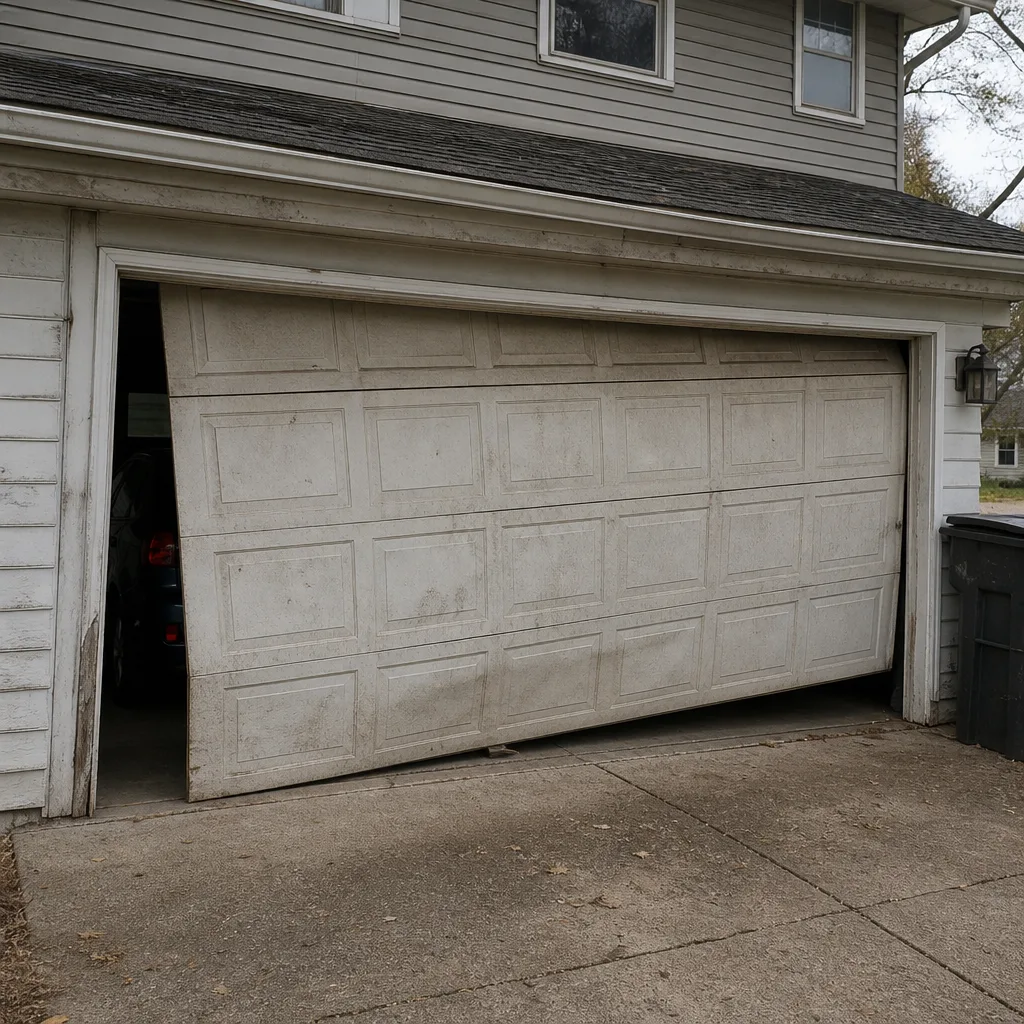
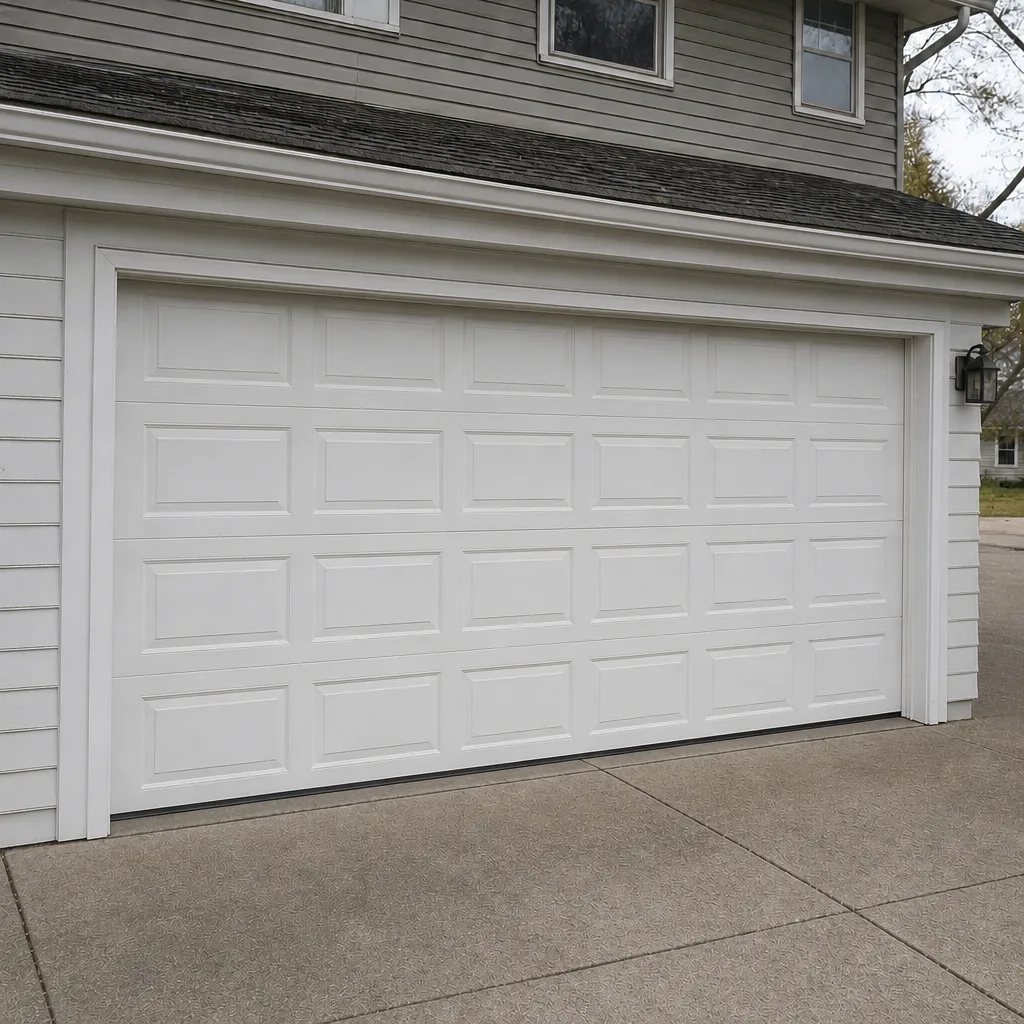
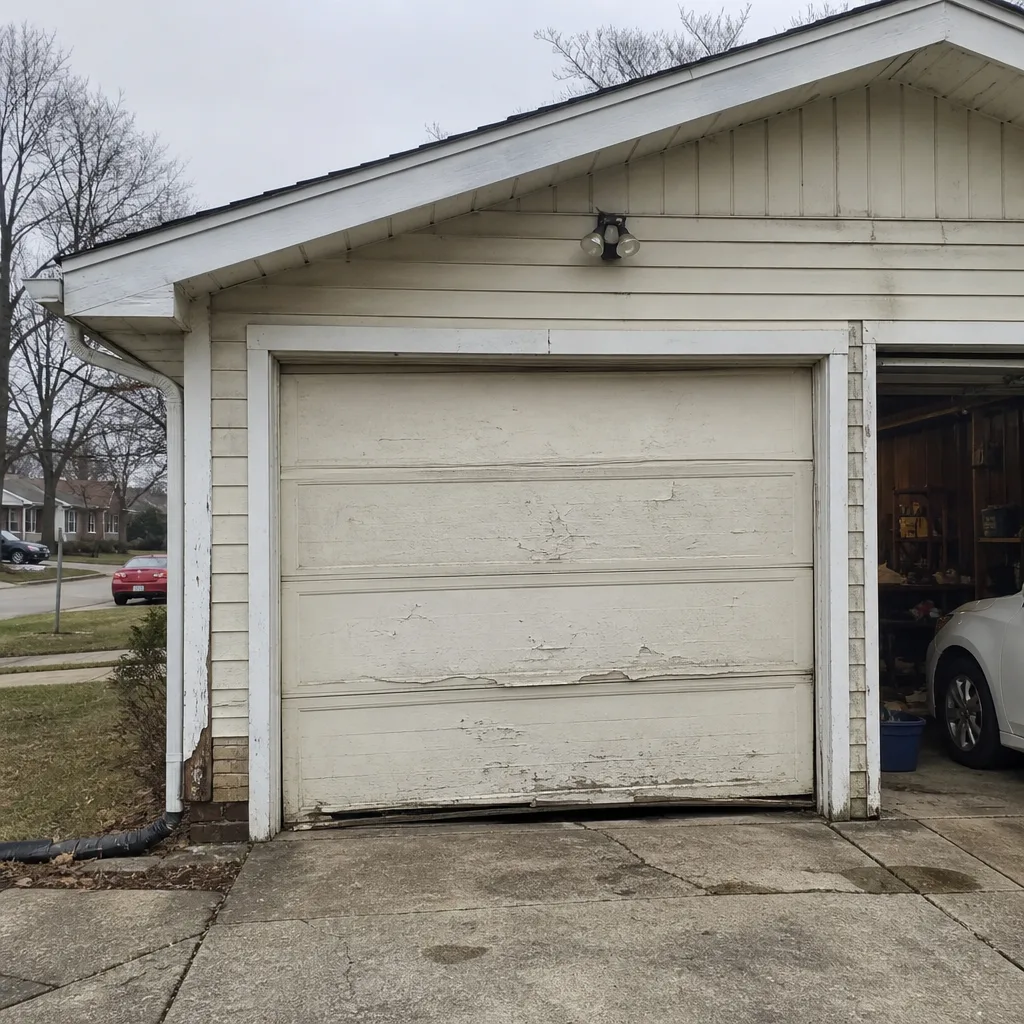
See the difference
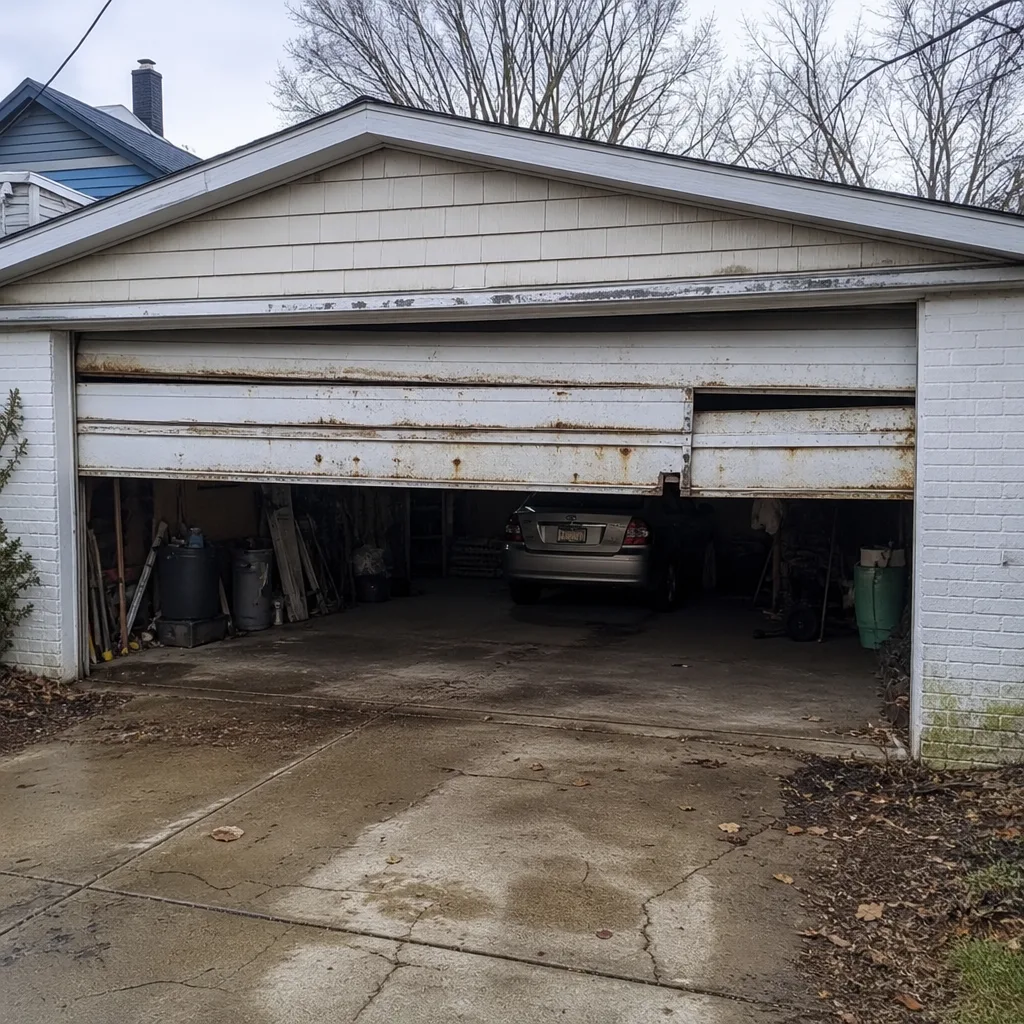 Before
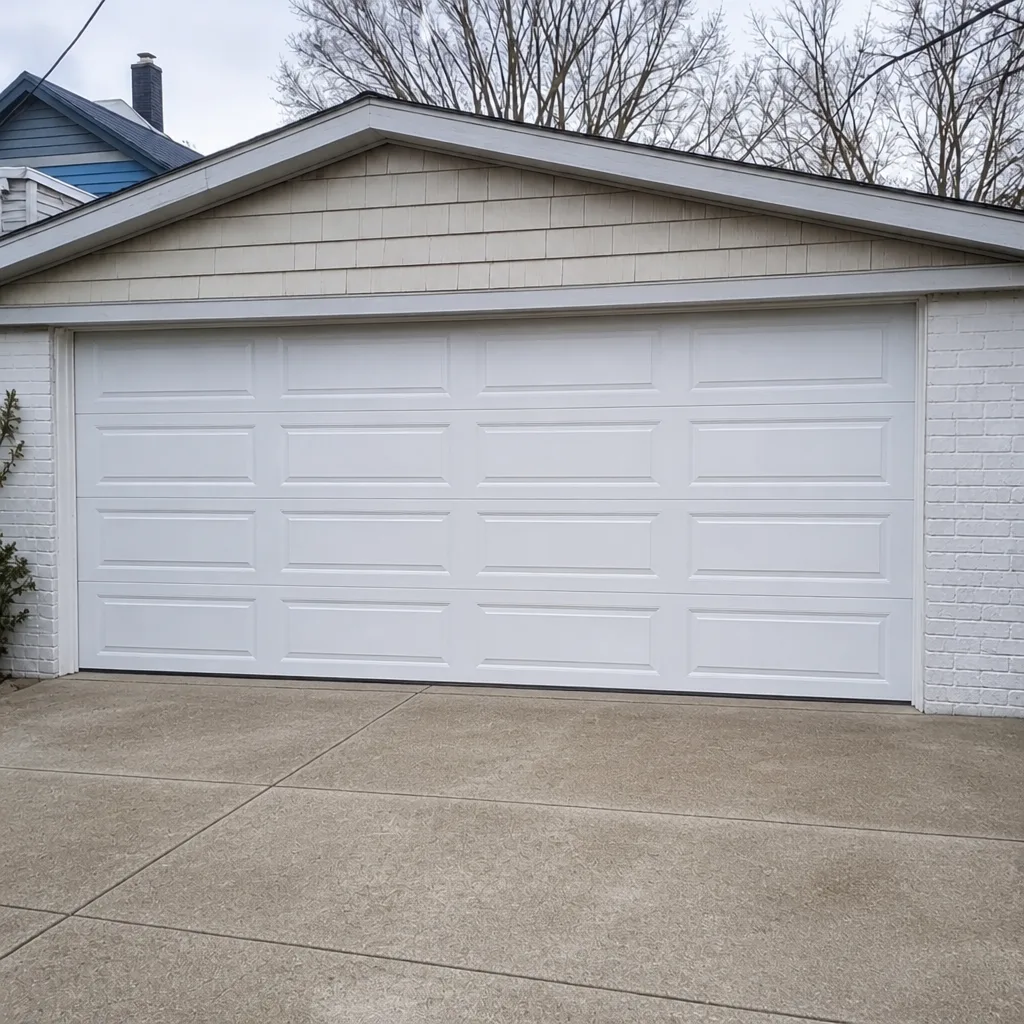 After
 Before
 After
 Before
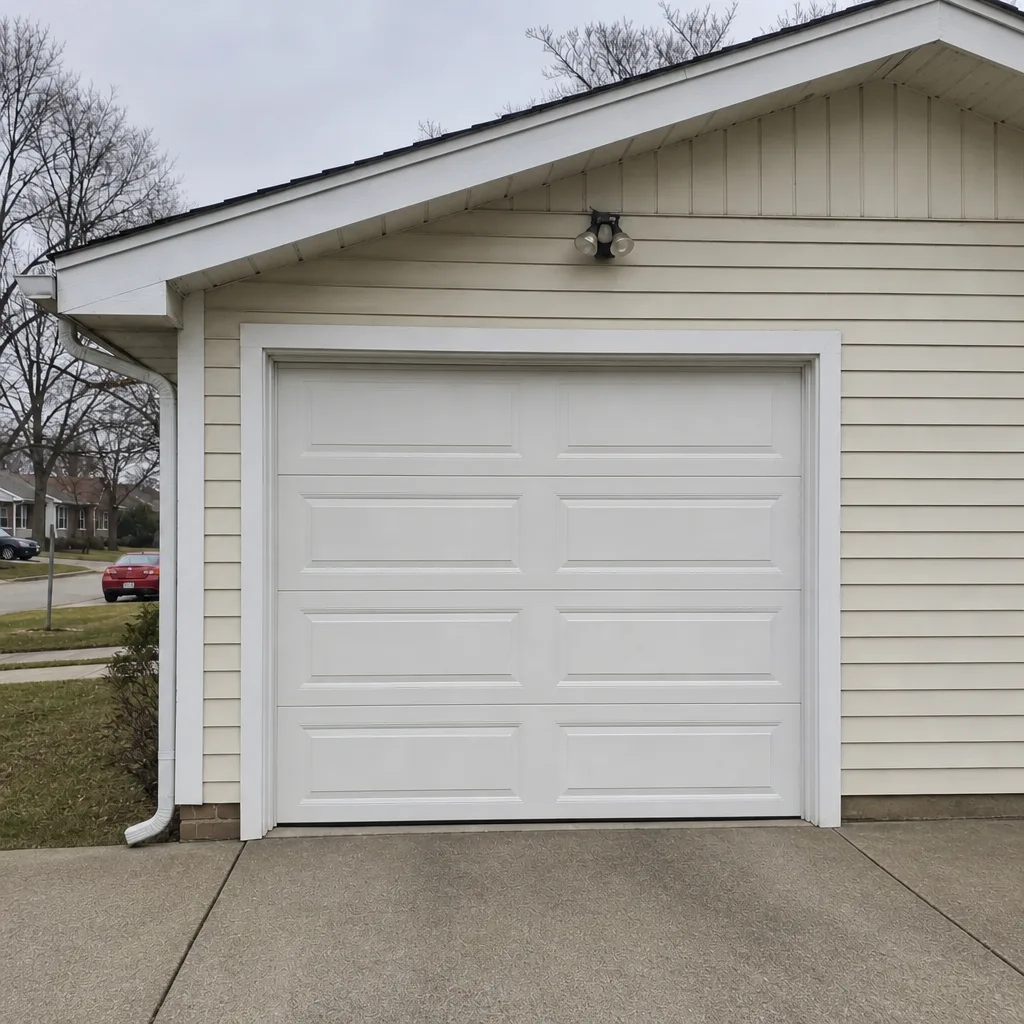 After
The Bottom Line
Seasonal care in Westlake works because each season creates a different mechanical environment, and addressing them in sequence is what separates doors that last decades from doors that need a winter repair every year. Fall lubrication and weatherseal testing set the door up for the cold. Winter force adjustments match it to frozen ground. Spring inspection catches what winter shifted. Summer care catches UV and heat damage before it turns into a panel or opener repair. Four checkpoints, roughly three hours across the year, and a door that doesn’t surprise you in January. If a seasonal check turns up something you don’t want to handle, call (833) 962-9341 for a free estimate.
Contact
Whether your door needs a seasonal tune-up, a new door installation, or an emergency repair, Garage Door Repair Westlake is ready to help. Call (833) 962-9341 for a free estimate. Our technicians have up to 9 years of experience working on the brand you already have, from broken spring to brand-new door.
Written by the team at Garage Door Repair Westlake.