Last updated November 20, 2026
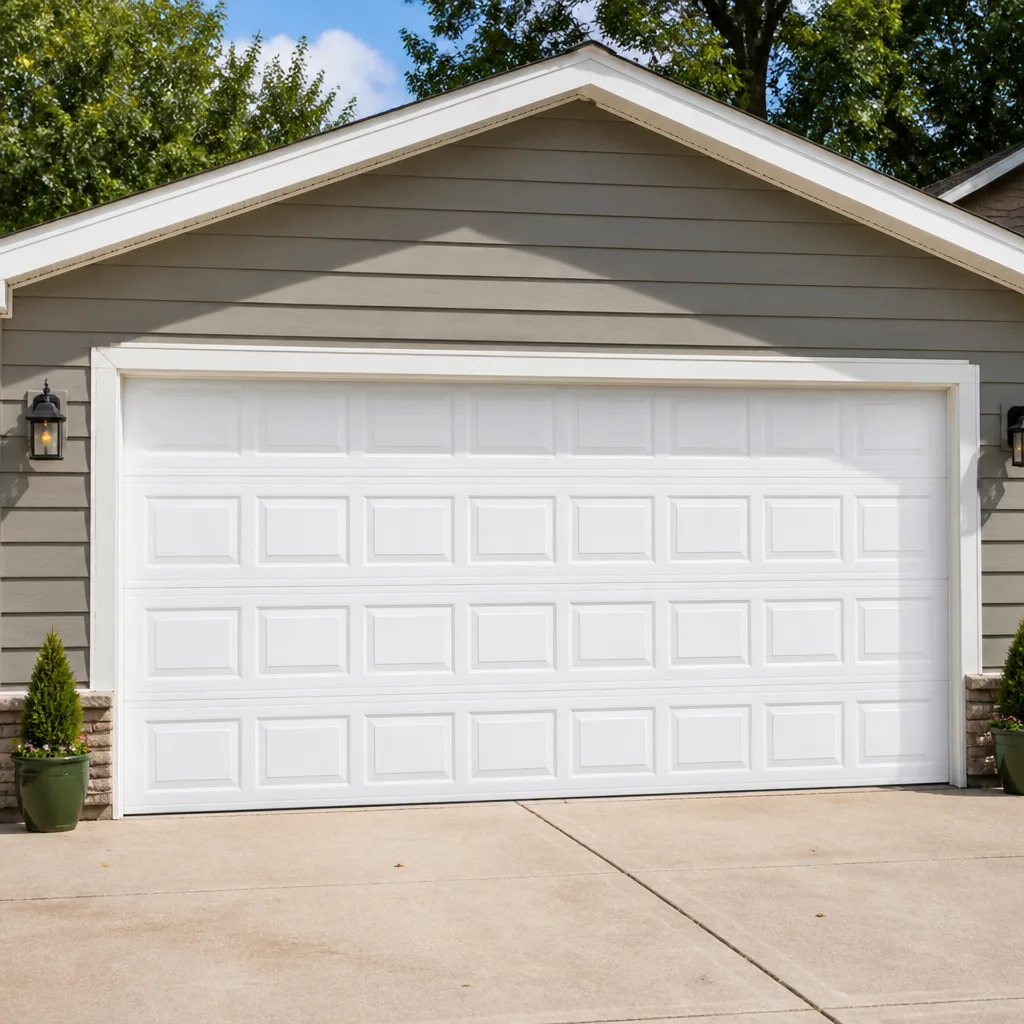 Raised-panel steel
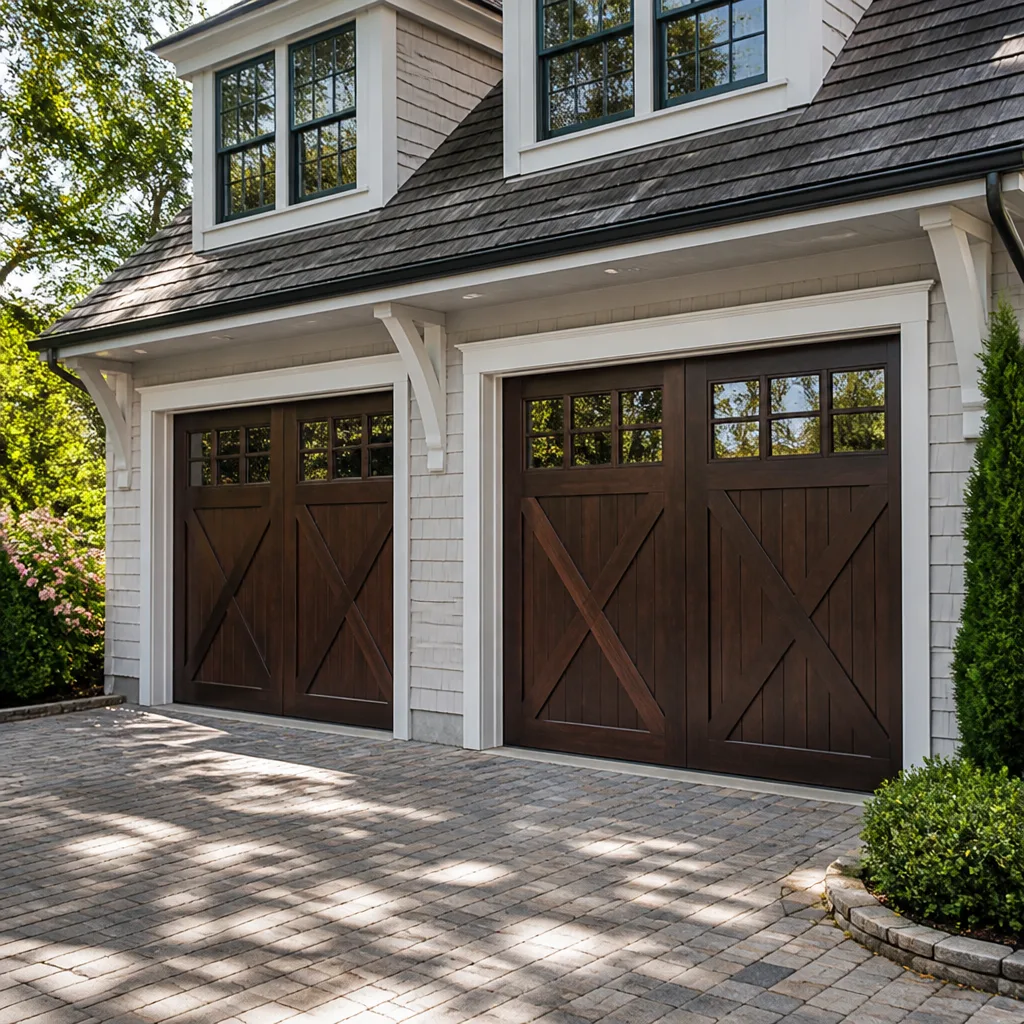 Carriage house
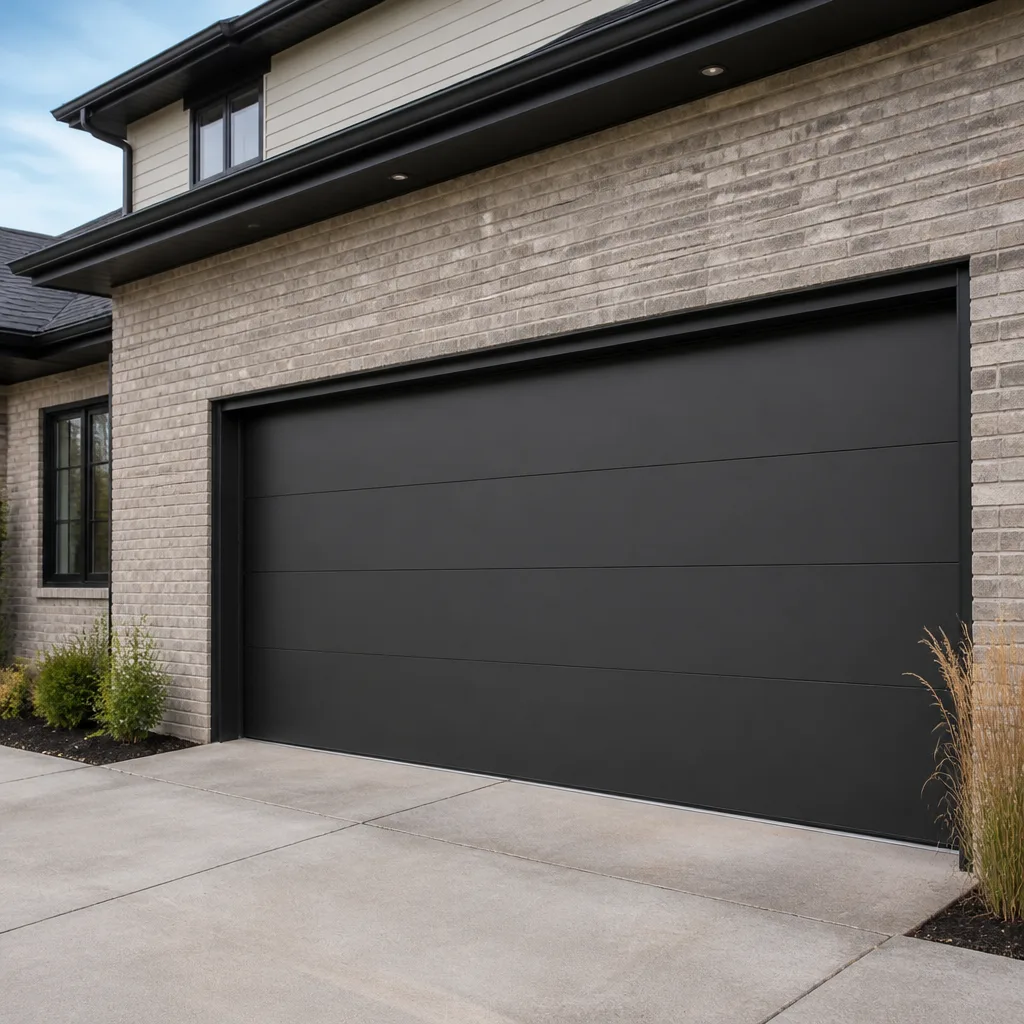 Modern flush
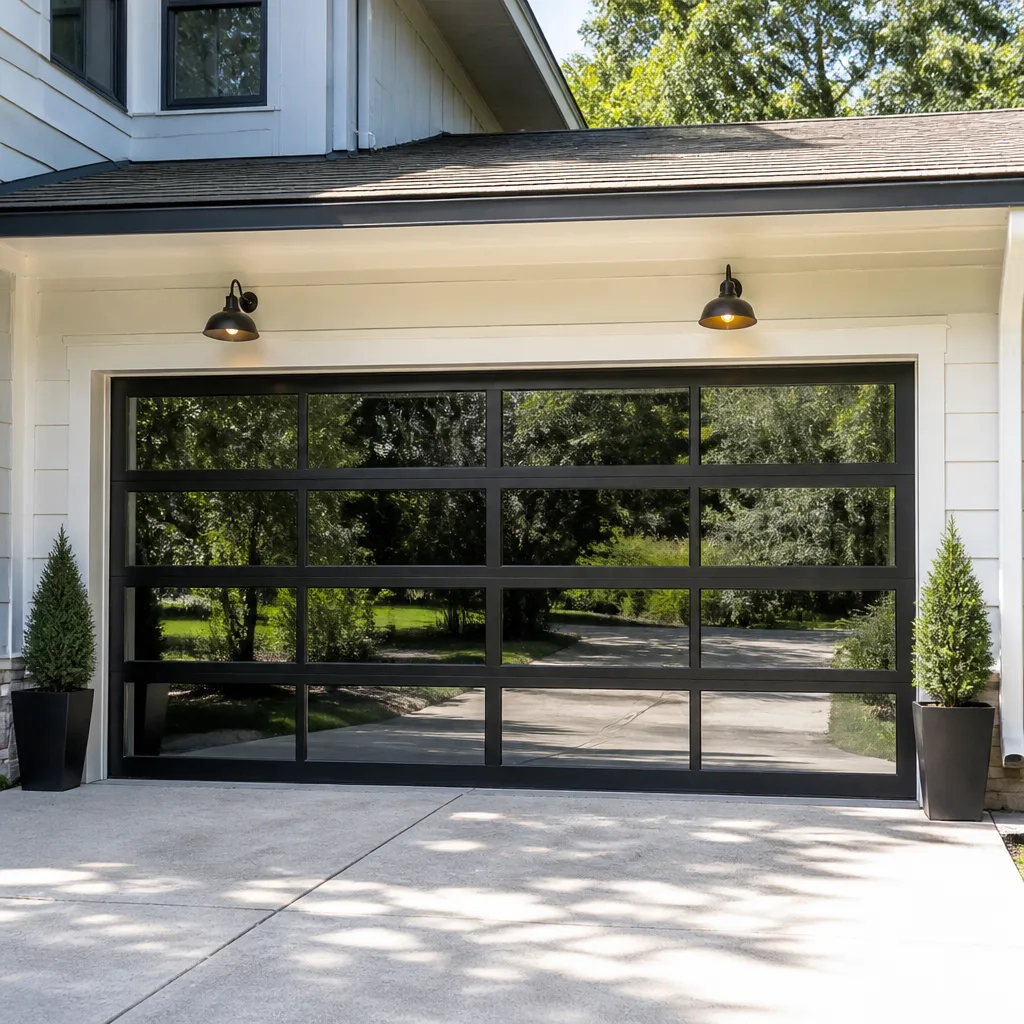 Full-view glass
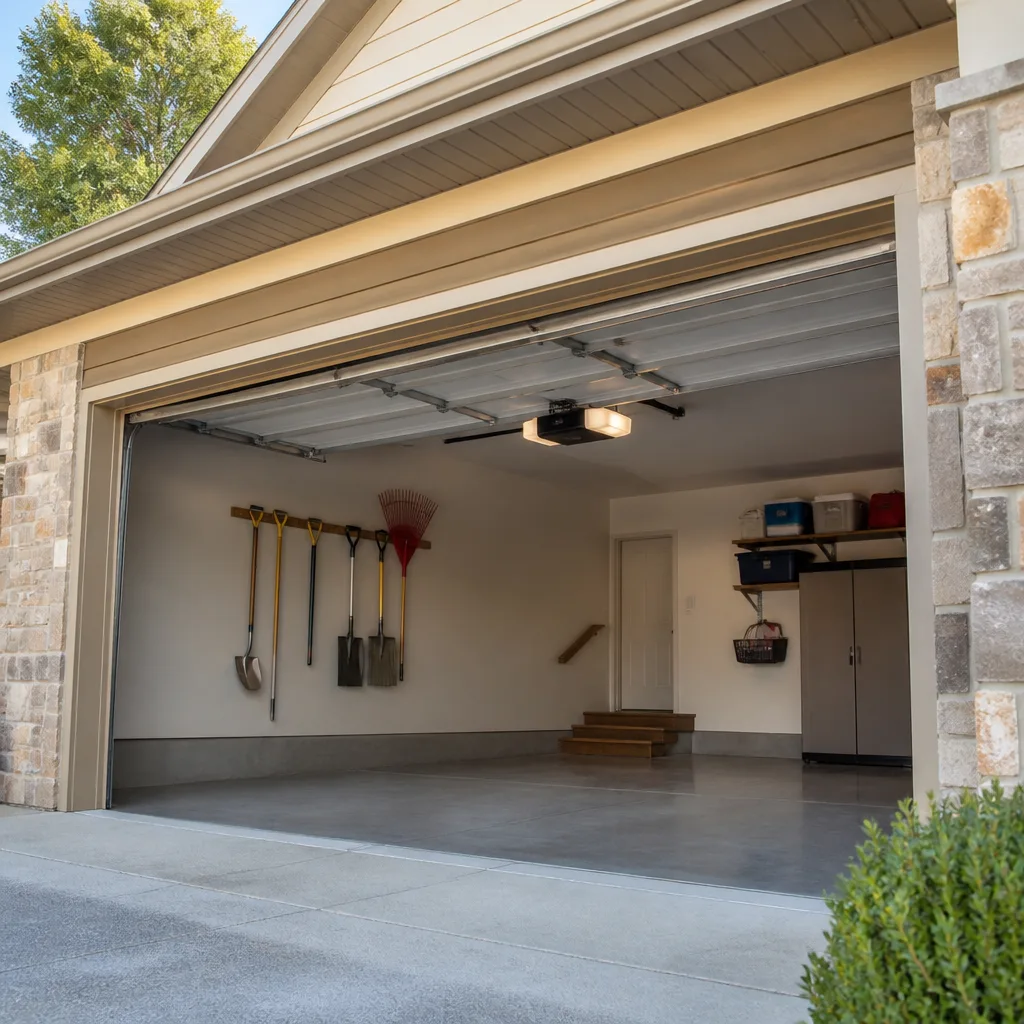 LiftMaster openers
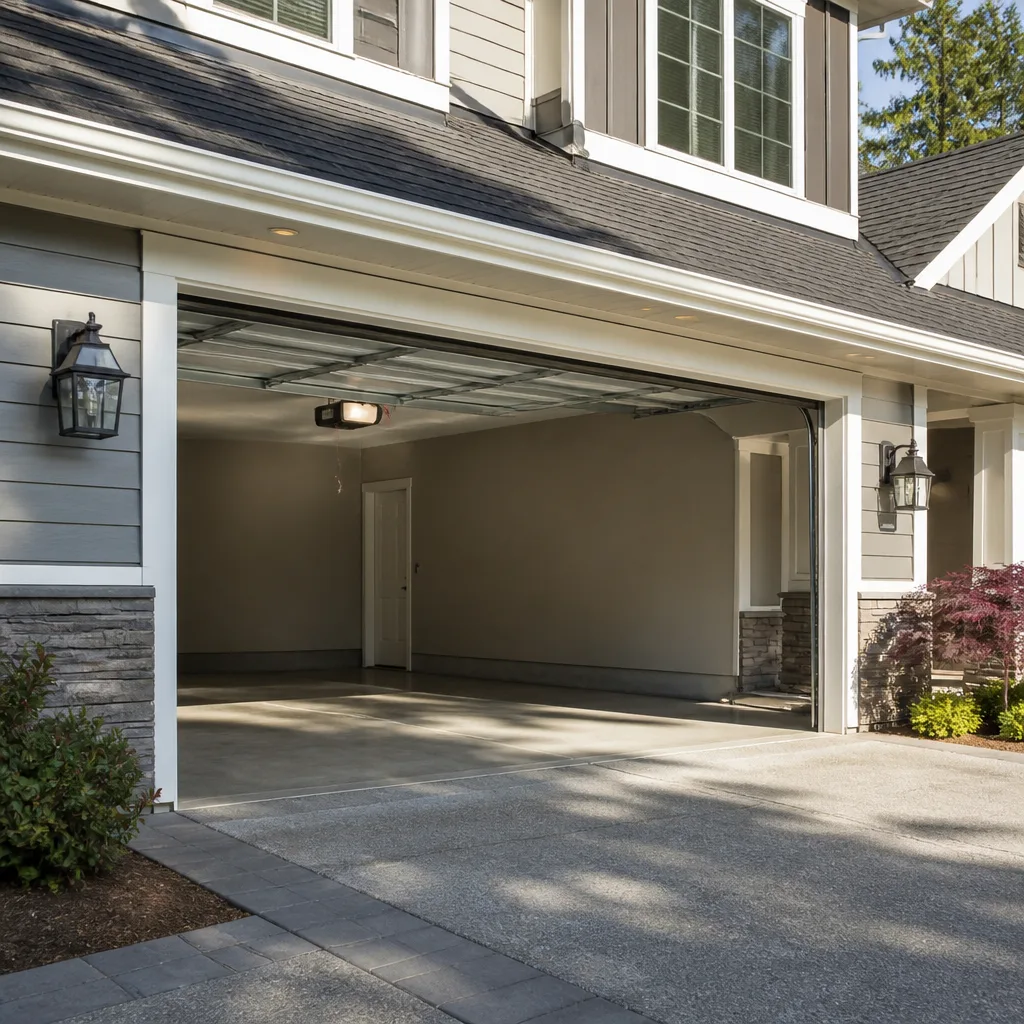 Chamberlain openers
Full 25-point door and opener safety check with every visit - springs, cables, rollers, tracks, and your LiftMaster or Chamberlain opener included
You get a price before we start. It does not change when the pro arrives.
Get your free estimateThe Complete Guide to Garage Doors in Westlake
Most homeowners in Westlake see their garage door twice a day and understand almost none of it. The door opens, the door closes, and that’s the whole relationship until something snaps. Here’s the part that surprises people: the motor is rarely the first thing to fail. The components that give out first are the ones nobody looks at – springs, cables, rollers, and the bottom seal. This guide treats your door as the mechanical assembly it actually is. We’ll walk through how each system works, how Westlake’s winters stress specific parts, how to read a cycle rating, what insulation actually buys you, and how to tell when a repair is worth it versus when you’re paying to keep a worn-out door alive.
Quick Answer
A garage door in Westlake is a balanced mechanical system, not a single appliance. Torsion springs, cables, rollers, hinges, and the bottom seal wear on a predictable schedule, and the opener motor usually outlasts all of them. Understanding which part does what – and how freeze-thaw winters affect it – is what lets you choose repair, replacement, or a new door from knowledge instead of guesswork.
Styles & brands we work with
- Raised-panel steel
- Carriage house
- Modern flush
- Full-view glass
- LiftMaster openers
- Chamberlain openers
Table of Contents
- How a Garage Door Actually Works
- How Westlake Winters Wear Your Door
- Single, Double, or Triple Layer: What Insulation Really Does
- Reading Cycle Ratings and Matching Them to Your Household
- The Brand Landscape: Honest Trade-Offs
- Openers: Know Your Drive System and Your Platform
- Repair or Replace? A Decision Framework
- The Parts You Should Never Touch
How a Garage Door Actually Works
A sectional garage door is a balanced load, not a powered one. The opener’s job is small: it lifts a door that springs have already made nearly weightless. That’s why a door can be opened by hand when the power is out, and why a failing spring makes the opener strain and eventually burn out. The system has four working groups:
- Counterbalance: torsion springs on a shaft above the door, or extension springs along the tracks, plus the cables that connect them to the bottom corners.
- Travel path: vertical and horizontal tracks, rollers in the hinges, and the hinges themselves.
- Weather seal: the bottom seal or astragal, plus side and top jamb seals.
- Drive: the opener, its rail, and the carriage that engages the door.
The first group carries the load. The second guides it. The third keeps out weather. The fourth just pushes. When people describe a door as “broken,” they’re almost always describing the counterbalance or the travel path, not the motor. If the door is closed and won’t move, or opens crooked, or slams, the drive is the last place to look.
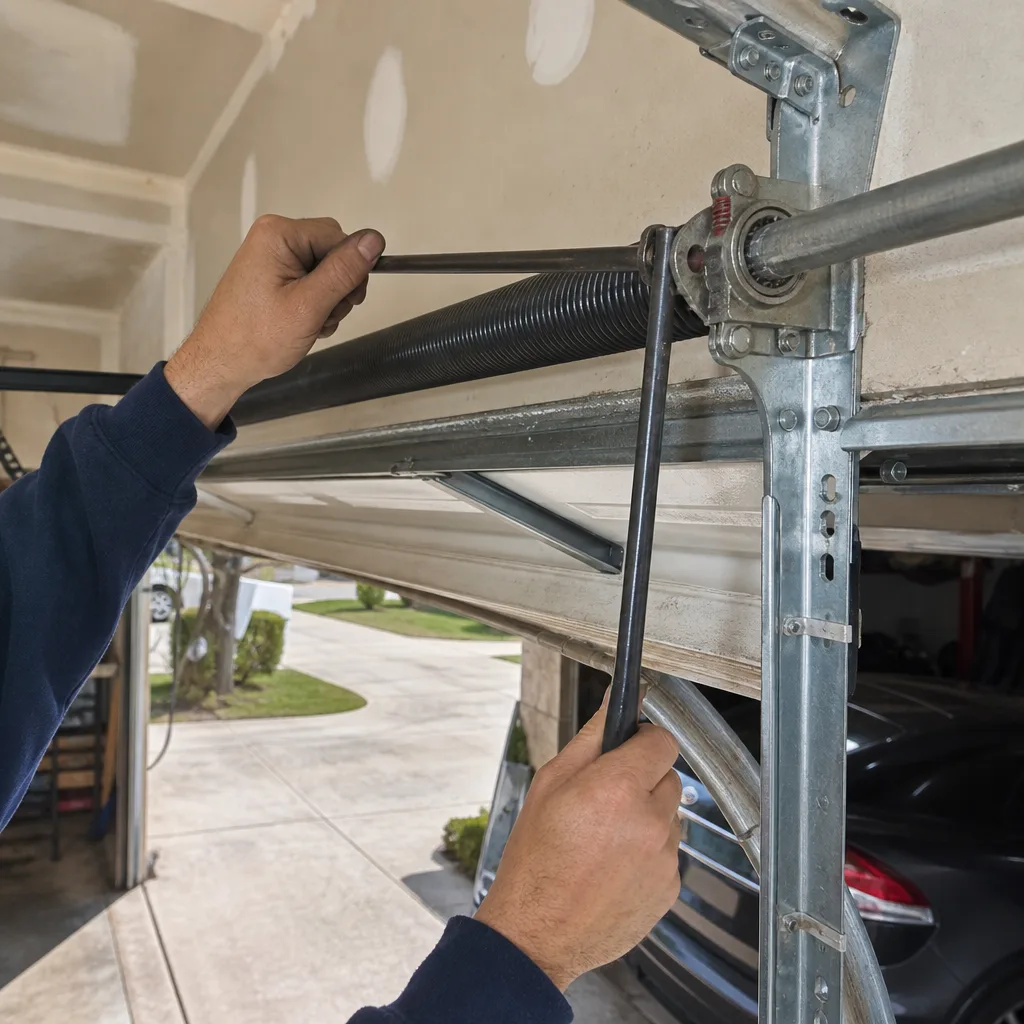
This is why diagnostic work matters more than parts-swapping. A tech who understands a balanced door reads the symptom, tests the spring tension and cable condition, then checks the opener. A generalist guesses, replaces the motor, and the door still doesn’t work. It’s also why we explain that spring repair is high-tension work when we talk to customers – the load in those springs is what makes the door feel light, and it’s what makes them dangerous to handle.
How Westlake Winters Wear Your Door
Westlake sits in a freeze-thaw climate, and that cycle does more to a garage door than a hot, dry one ever will. Every time the temperature crosses the freezing line, moisture in the air and in the ground expands and contracts. The parts that suffer first are the ones made of steel under load and the ones made of rubber and vinyl.
Torsion springs. Cold makes steel brittle. A torsion spring on its last few thousand cycles is more likely to snap during a cold snap than in July, and the moment it lets go is usually the first cold morning you leave in a hurry. Springs are rated in cycles, not years, and a hard winter simply burns them faster.
Cables. Steel cable under tension at a freezing hinge point will develop memory and kinks. A kinked cable is a future snap.
Bottom seals and weather stripping. Rubber and vinyl go stiff in the cold. A stiff seal cracks, tears, or pulls out of its track. If your door is dragging across a stiff seal through the winter, the springs and opener carry extra strain all season.
Hinges and rollers. Lubricant thickens in cold weather. A door that runs quiet in spring can start groaning in January, which is a signal the hinges need attention, not that the motor is weak.
Practical takeaway for Westlake homeowners: schedule an inspection in early fall, before the first hard freeze. That’s when you catch a tired spring, a dry hinge, or a worn seal while the fix is still inexpensive.
Single, Double, or Triple Layer: What Insulation Really Does
Garage door construction comes in three basic builds, and the difference is more about structure than about saving heat.
- Single-layer: one steel skin, with the inside face exposed. Light, budget-friendly, and effective for a detached garage or an unheated one.
- Double-layer: two steel skins with a layer of insulation between. Stronger face, quieter operation, moderate thermal resistance.
- Triple-layer: steel-insulation-steel sandwich, the stiffest and quietest build. Best for attached garages where you actually feel the temperature difference.
Here’s the part most marketing skips: insulation R-value matters when the garage shares a wall or ceiling with your living space. That’s the attached-garage scenario in most Westlake homes. If the garage is detached and unheated, spend the money on a better door build and a quieter opener instead.
Two smaller things to know. A heavier insulated door needs springs matched to its weight and possibly a stronger opener, so quote the door and the drive together. And a well-sealed, insulated door handles our cold mornings without condensation on the inside face, which keeps the hardware drier.
Reading Cycle Ratings and Matching Them to Your Household
A cycle rating is the number of open-close cycles a spring or door is engineered to survive before failure. Every cycle is one trip up and one trip down. A door that opens twice a day and closes twice a day is doing about 1,460 cycles a year before anyone counts the extra trips.
To match a rating to your use, count the actual trips:
- Count each time the door opens on a normal day. Commuter vehicles, two cars, deliveries.
- Multiply by 2 for open-plus-close.
- Multiply by 365.
- Add extra trips for kids’ sports, gardening, and any home-based business traffic.
A family with two commuters is typically in the 1,400 to 1,800 cycle range per year. A home-based business with a work vehicle, customers, or curbside pickup can multiply that several times over. A higher cycle rating on springs and hinges is worth the extra cost in those homes, because you’re buying years, not a better-looking door.
Cycle ratings are also the correct way to talk about springs, not years. If your opener has been installed on the same door for years and the door suddenly gets heavy, the spring is at the end of its rating, not its calendar life. This is why we prefer to check spring tension and cycle rating before quoting a replacement.
The Brand Landscape: Honest Trade-Offs
Garage door brands aren’t ranked on a single scale, because they’re solving different problems. We work on the eight most widely installed brands in North America – LiftMaster, Chamberlain, Genie, Clopay, Amarr, Wayne Dalton, Craftsman, and Raynor – which means we’ve learned the trade-offs rather than the marketing specs.
Clopay and Amarr are both strong choices for a full door replacement. Clopay has a wide range of build options and finishes, which makes it easier to match a Westlake house style. Amarr tends toward a solid, straightforward build – fewer options, but fewer complications.
Wayne Dalton offers a good middle ground, and its systems are common enough that parts are easy to source. Raynor is frequently specified on newer homes and holds up well to regular cycle use.
LiftMaster and Chamberlain share a great deal of engineering under the hood, so a tech who knows one usually knows the other. Genie has its own logic and its own parts, which is where brand-specific knowledge counts.
The honest takeaway: a recognized brand is a proxy for parts availability and a service network, not a guarantee of quality. The installation and the matching to your door’s weight matter more than the badge on the panel.
Openers: Know Your Drive System and Your Platform
Opener choice comes down to three drive types and three platform families.
- Chain drive: the traditional, noisiest option. Reliable, inexpensive, and fine when the garage is detached or far from bedrooms.
- Belt drive: quieter at the midpoint of the price range. Common in attached homes where noise matters.
- Direct drive: the motor rides the rail itself, minimal moving parts, quiet. A good fit for homes with an office or nursery above the garage.
On platforms, LiftMaster and Chamberlain are the household names, with modern WiFi-enabled and MyQ-compatible units; Genie has its own line and its own programming; Craftsman units are common enough that we see them on older doors and can program them all the same way. “Know your opener, not just openers” is our rule here. A troubleshooting tech who understands the platform finds the problem faster than one who started on a different brand.
Programming is a routine part of this. A new remote, a keypad, or a car’s built-in HomeLink after a replacement all need the platform-specific sequence. We can do that in the same visit as a repair.
Repair or Replace? A Decision Framework
The question isn’t whether a repair is cheaper – it’s whether a repair extends the door’s useful life or just pays the last bill on a door already past its value threshold. Here’s the framework we use:
- One failure, sound structure: repair. A spring, a cable, a single hinge, or an opener that’s failed while the door is otherwise in good shape.
- Recurring failures on the same part over a short window: inspect the cause. Repeated spring failure usually means a weight mismatch, not bad springs.
- Two or more panels with rust or structural wear, a crooked track, and a sagging bottom section together: replacement is usually the better value.
- Opener era: if the opener predates modern safety reversal standards and the drive system, a replacement is the safer and cleaner choice. The opener is the one part where age itself is a reason.
- Cosmetic-only concerns: the appearance is your decision, not a mechanical one. Don’t let a repair quote turn into a new-door quote on the strength of a scuff.
We also tell Westlake homeowners plainly: a written estimate with the price for both paths is the only fair way to compare. Ask for that in writing and let the numbers decide.
The Parts You Should Never Touch
Torsion springs store enormous energy. There’s no way to make a spring swap safe for a homeowner, and a snapped spring or cable under tension can cause serious injury. Our practice is to treat spring work as a dedicated safety specialty – correct tension tools, springs matched to the door’s weight and size, and a full test afterward.
The same applies to electrical work on the opener, to any work on a door with a broken or visibly kinked cable, and to any repair on a door with a bent track. A door that has come off its tracks shouldn’t be pulled back by hand. Call a trained professional. Our garage door spring repair service is set up for exactly that situation.
For routine maintenance you can handle yourself: clean the tracks, tighten any hardware that’s worked loose, and keep hinges and rollers lubricated. That’s the limit of safe homeowner involvement with the load-bearing system.
Common Mistakes to Avoid
- Replacing the opener when the spring is the problem. A heavy door on a strained opener feels like a motor issue. It’s usually a counterbalance issue, and swapping the motor hides the real fault until it fails again.
- Ignoring the bottom seal through a Westlake winter. A stiff seal drags the door, strains the springs, and lets cold air in. Replacing a seal is one of the cheapest repairs and one of the most commonly skipped.
- Buying a heavier insulated door without upgrading springs and opener. Your old motor was sized for the old door. Installing a triple-layer door on a mismatched spring set wears out both.
- Choosing a door by brand alone. The brand is not the door. The build, the weight, the spring rating, and the fit of the installation matter more.
- Assuming a high cycle rating is always worth it. For a single low-mileage car, a standard spring is fine. For a two-car home or a home-based business, the higher rating is the better buy.
- Skipping the written quote. A verbal price means a surprise invoice. Get the estimate in writing and compare both the repair path and the replacement path.
See the difference
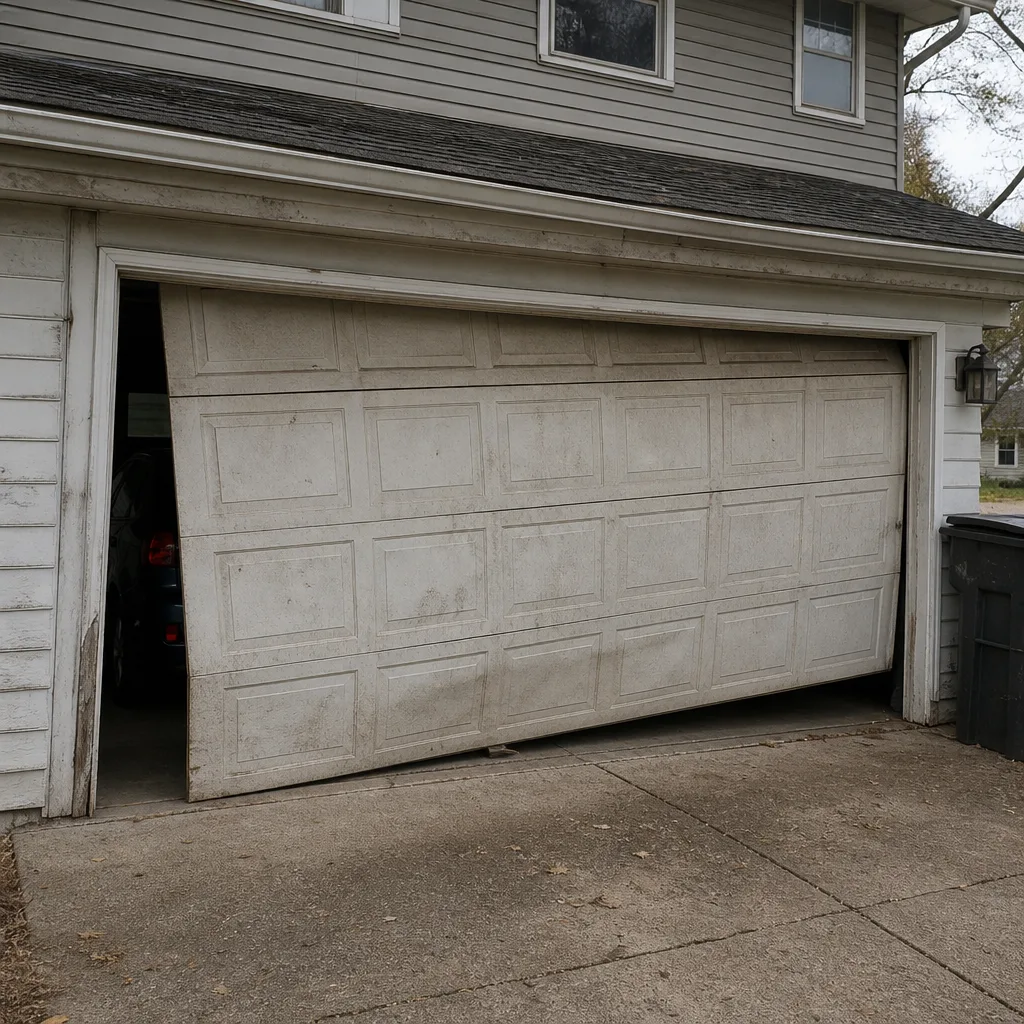
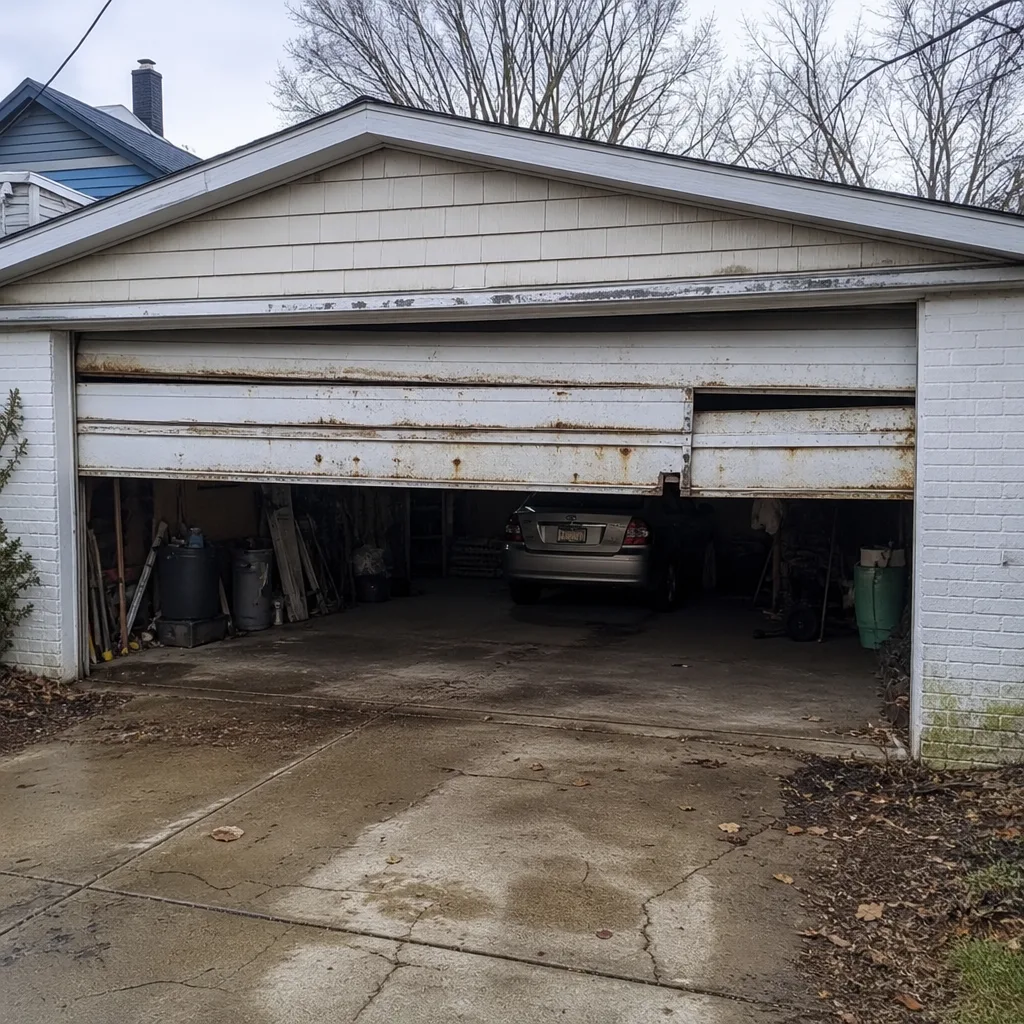 Before
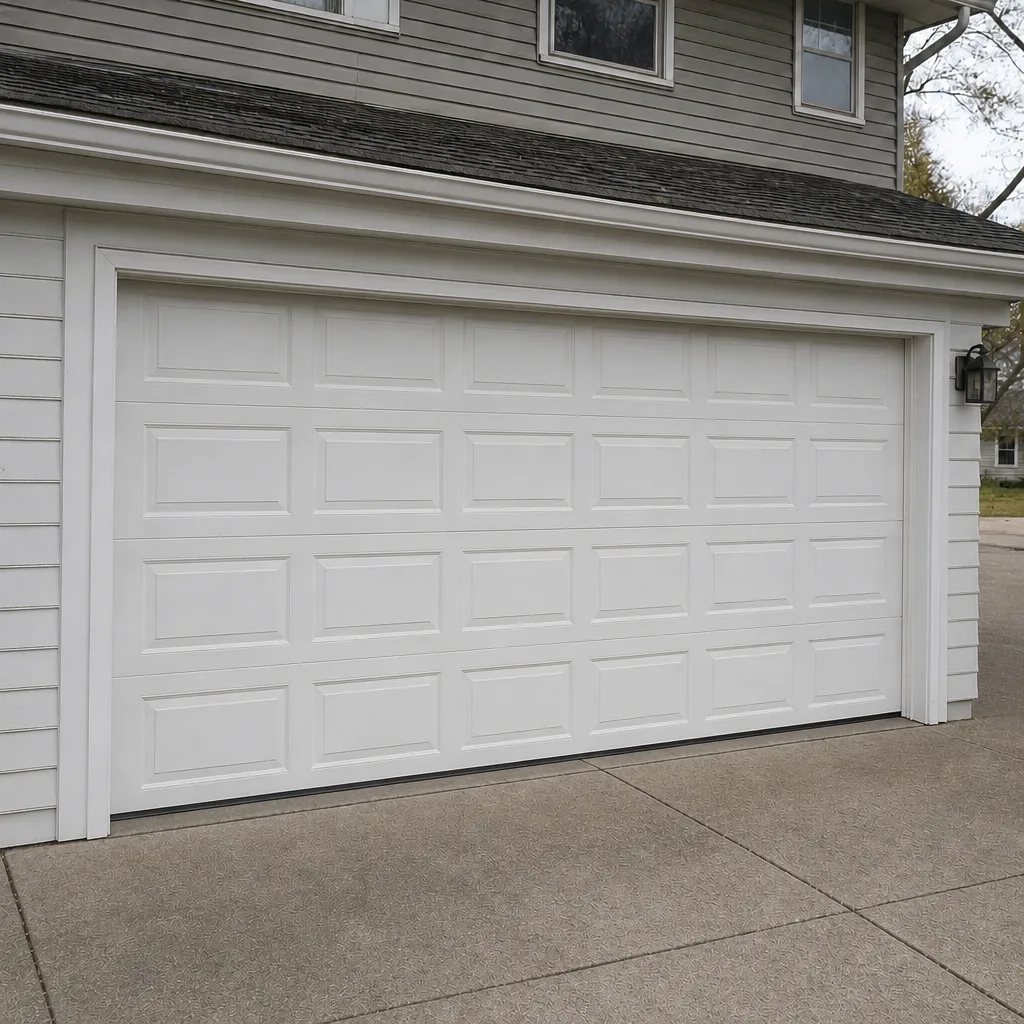
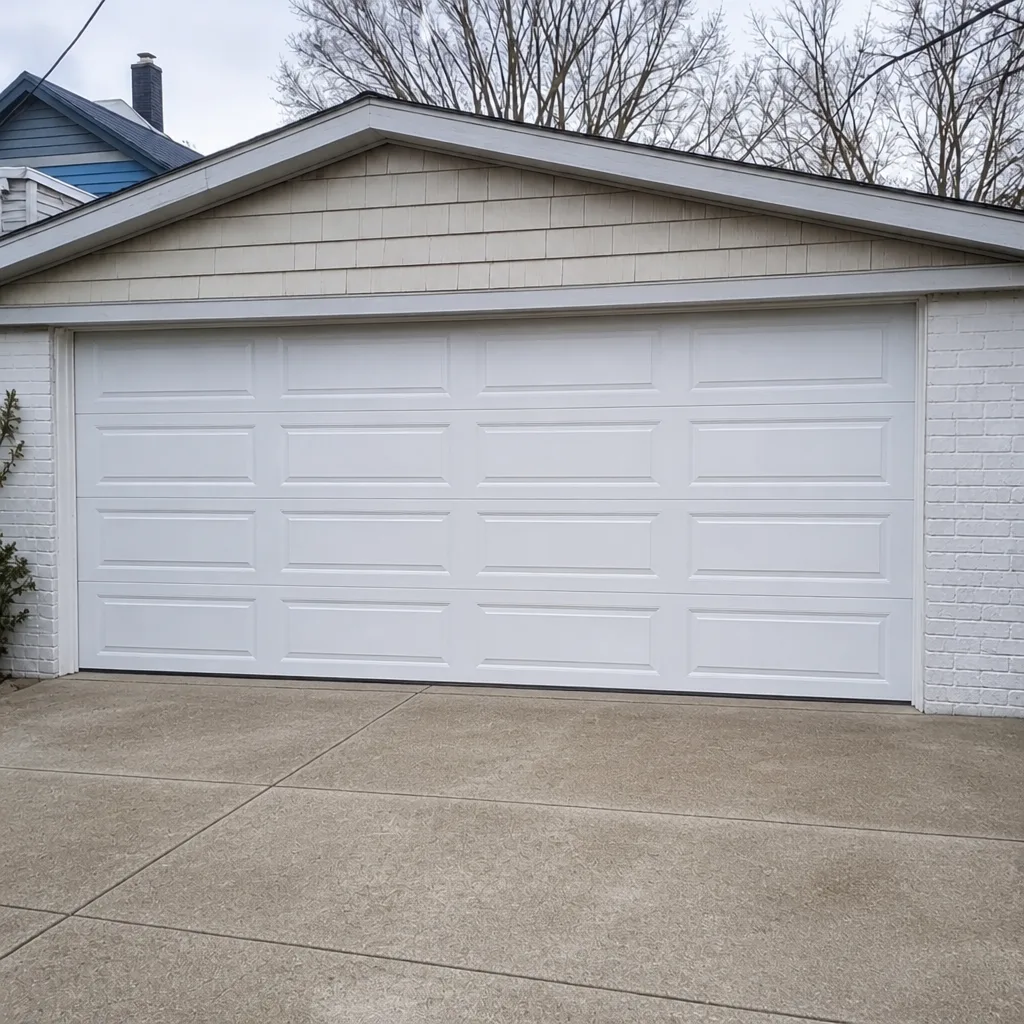 After
 Before
 After
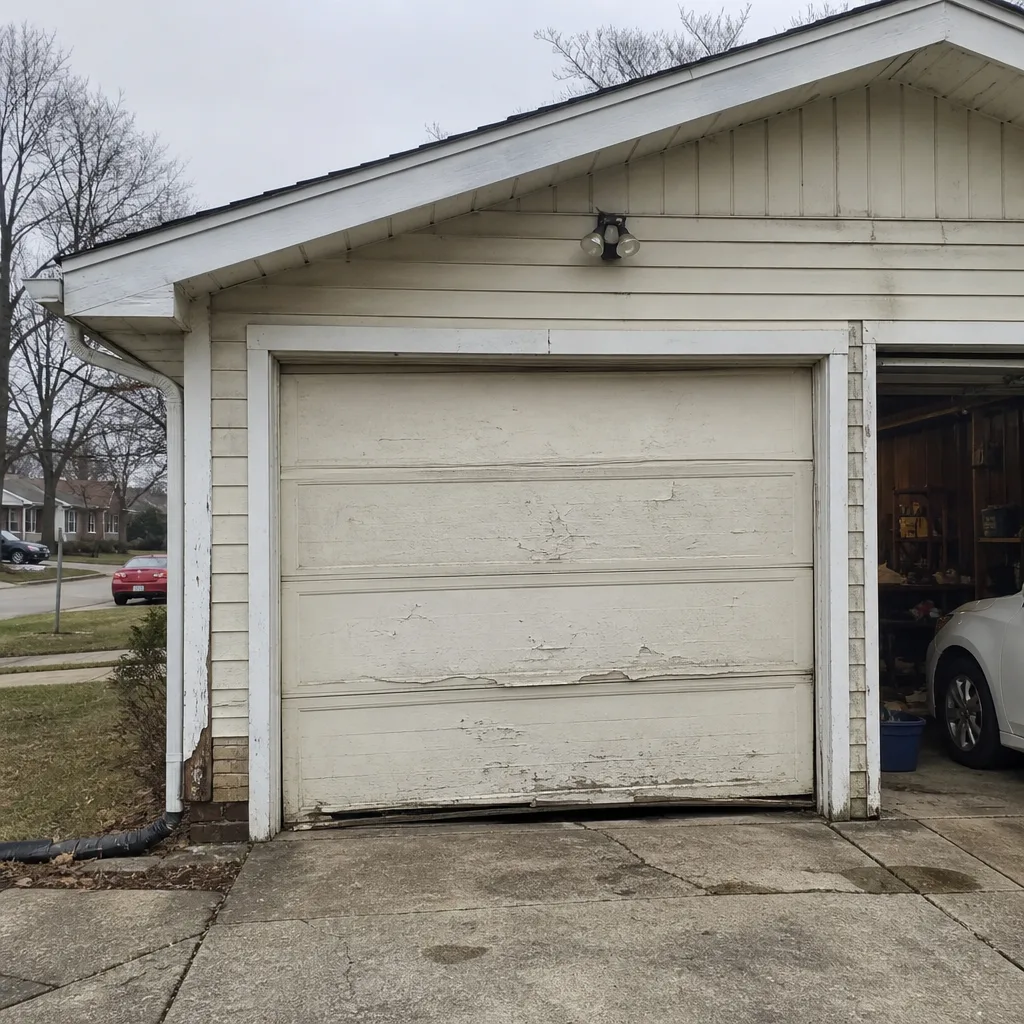 Before
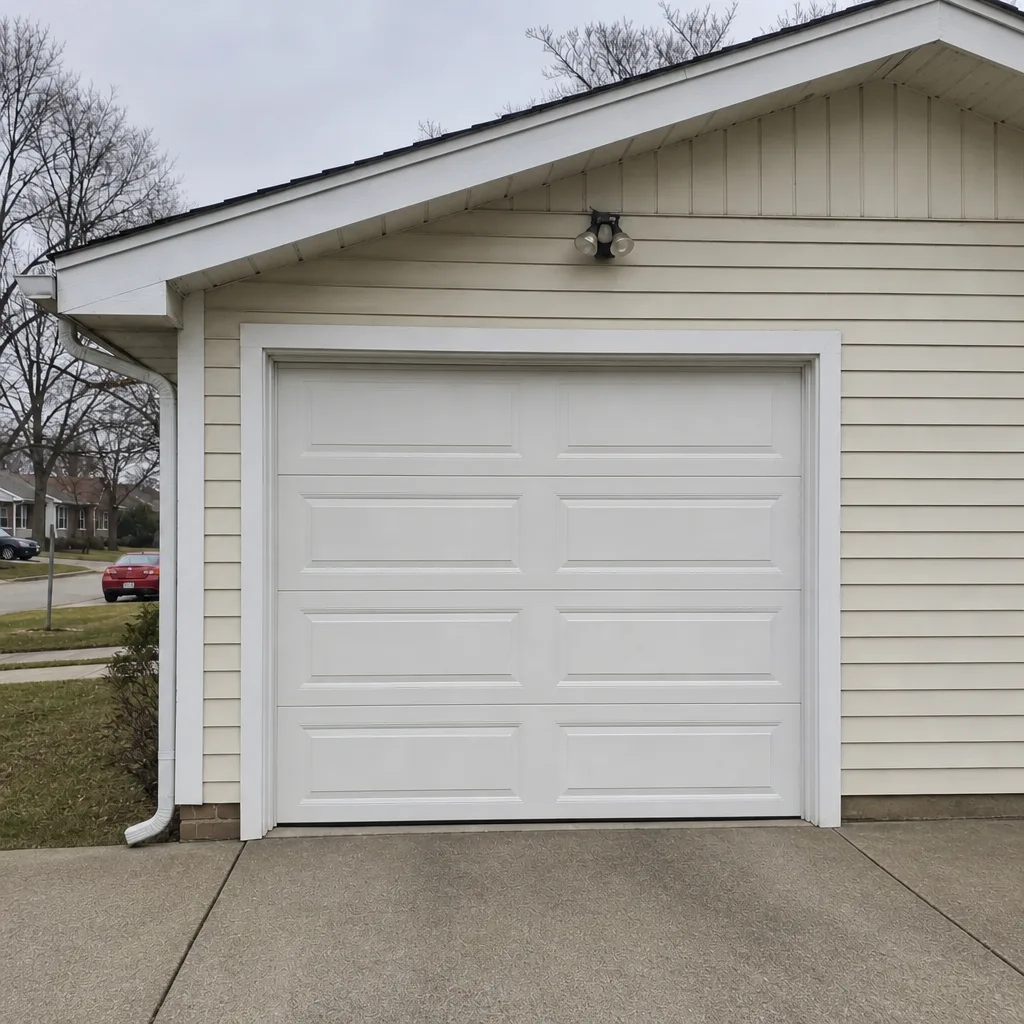 After
When to Call a Professional
Call us when your door won’t close fully, when it opens and slams, when you hear a loud bang from the spring area, when the cable is loose or frayed, or when the door is off its tracks. If the opener runs but the door doesn’t move, that’s a counterbalance issue, not a motor issue, and the door needs a professional look. For security and safety, a door that won’t close properly should be dealt with promptly, especially at a business or on a home with an attached garage.
Our technicians have up to 9 years of experience across the eight brands we service. Garage Door Repair Westlake offers free estimates in Westlake – call (833) 962-9341. When you call garage door repair work is quoted and agreed before any work starts, so there’s no surprise invoice.
Frequently Asked Questions
Most common repairs in the Westlake market land somewhere between $150 and $450 depending on the part and the door type, and the written estimate is what you pay. Spring replacement is usually the largest single line item because it’s priced per spring, and a matched pair is quoted together. Call (833) 962-9341 for an exact quote – estimates are free.
Yes. Emergency service is a regular offering, and an inoperable door is treated as a security and safety issue rather than a next-week appointment. Call (833) 962-9341 and we’ll book the earliest slot available for your door.
No. The price is quoted and agreed before any work starts. If the technician finds something the estimate didn’t cover, you’ll be told and asked before any extra work begins.
Look on the opener housing for the model plate, and on the door panel for a manufacturer’s label or sticker. If you can’t find it, take a clear photo of the opener and the hinge area and send it when you call. We work on LiftMaster, Chamberlain, Genie, Clopay, Amarr, Wayne Dalton, Craftsman, and Raynor, and can identify the platform from the photo.
Once a year, ideally in early fall before the first freeze. That’s when cold weather starts stressing springs, seals, and hinges, and when catching an issue is still inexpensive.
It depends on how many parts are failing at once. A single spring, cable, or hinge on a structurally sound door is usually a repair. Multiple failed panels, a bent track, and a failing opener together usually point to replacement. Ask for both quotes in writing and compare them side by side. To discuss either path, call (833) 962-9341 for a free estimate.
The Bottom Line
Your garage door is a balanced mechanical system, and the parts that fail first – springs, cables, rollers, seals – are the ones most homeowners never think about. In Westlake, freeze-thaw winters make those parts fail faster, so a fall inspection and a matching of spring cycle rating to your household’s real usage is the highest-value maintenance you can do. Repair a sound door, replace a door that’s already failing in several places, and get every price in writing. For emergency work on a broken spring or a door that won’t close, call us at (833) 962-9341 for a free estimate.
Written by the team at Garage Door Repair Westlake.