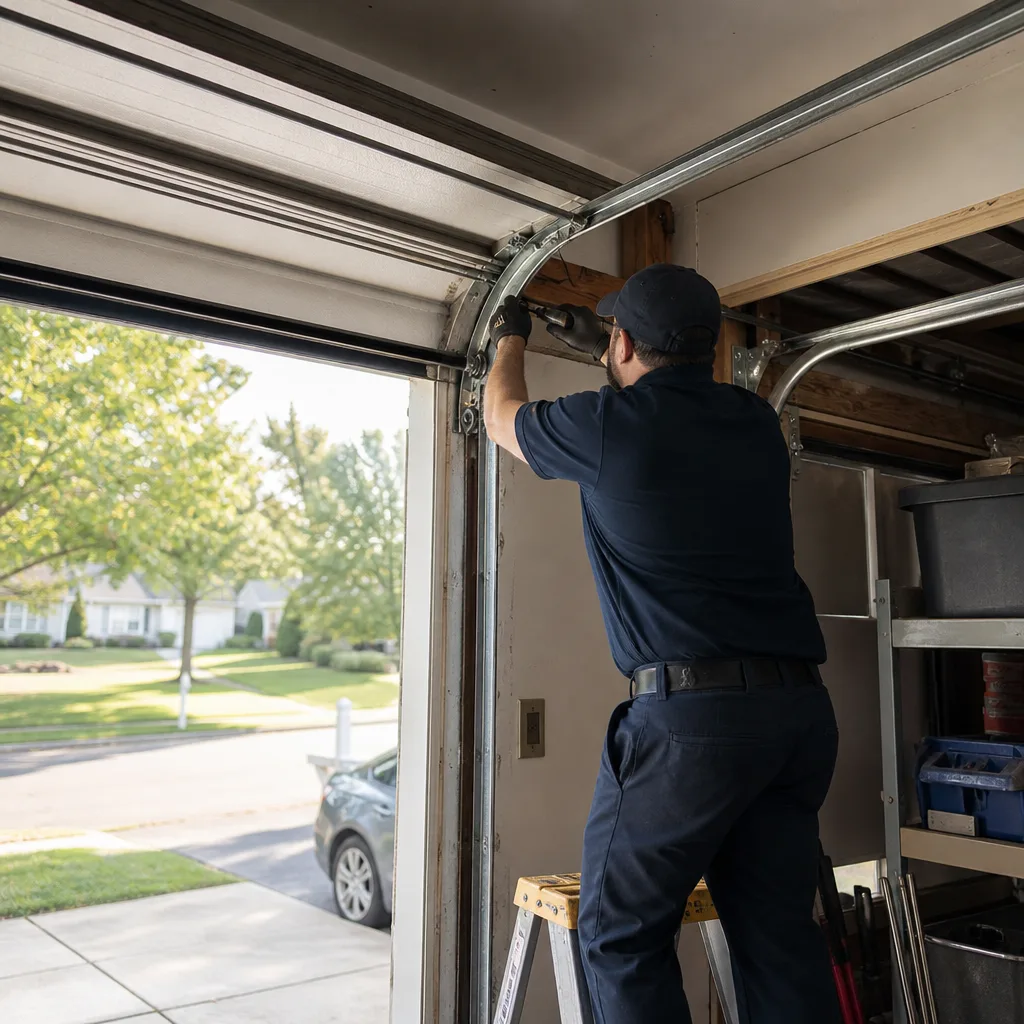
Last updated November 20, 2026
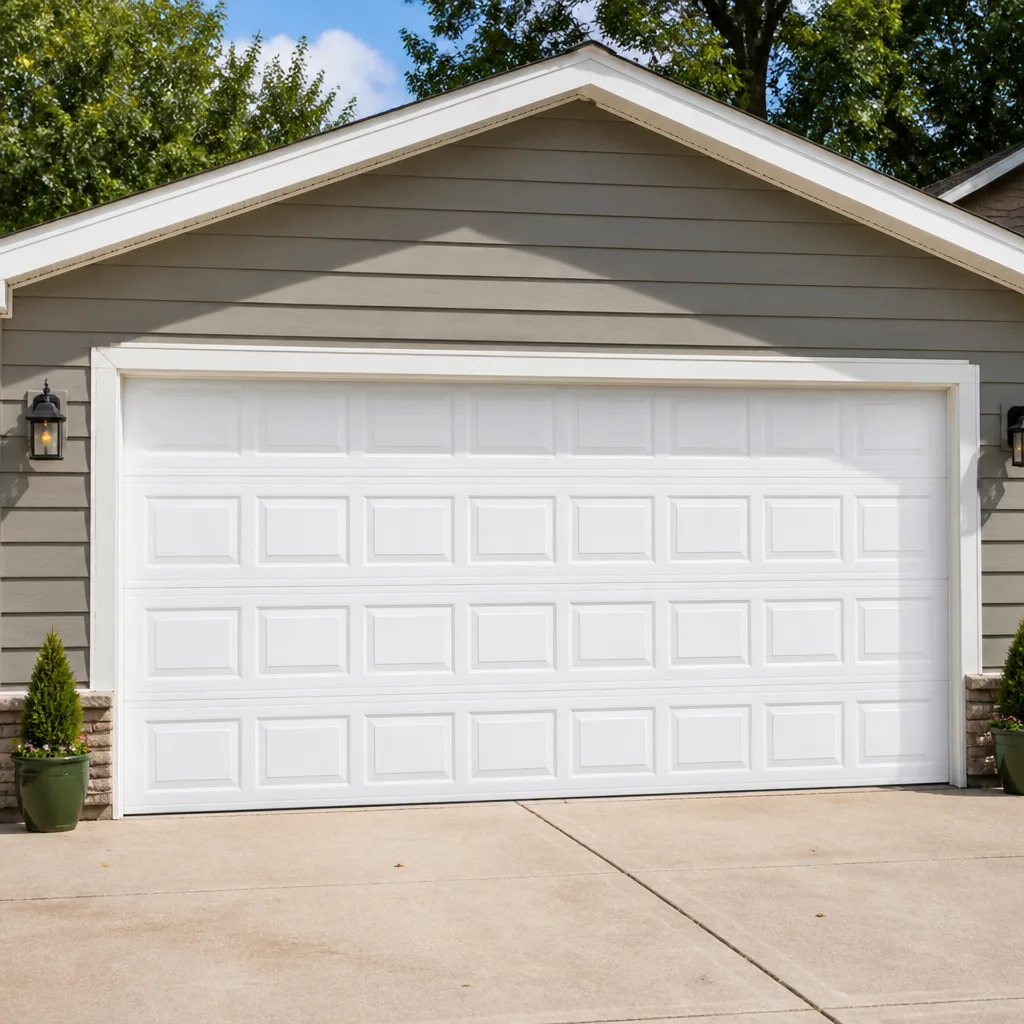 Raised-panel steel
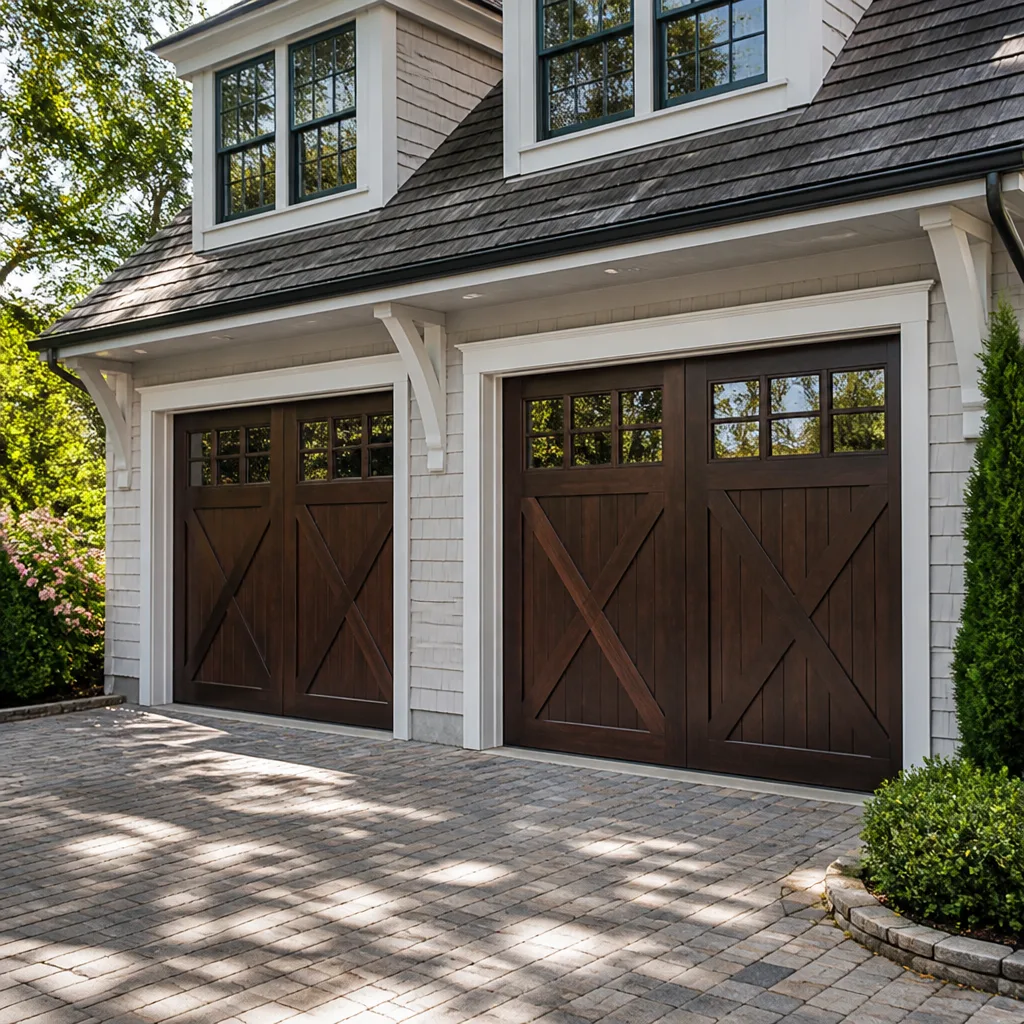 Carriage house
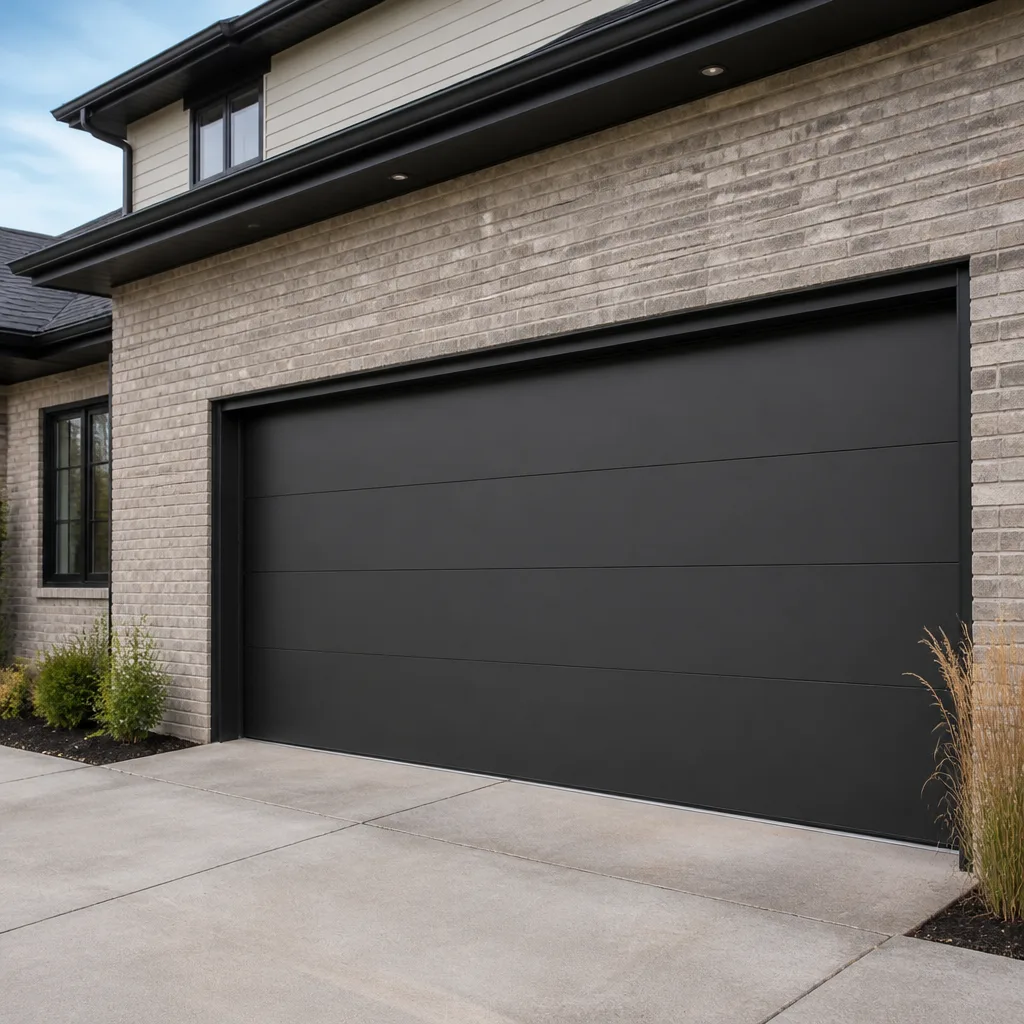 Modern flush
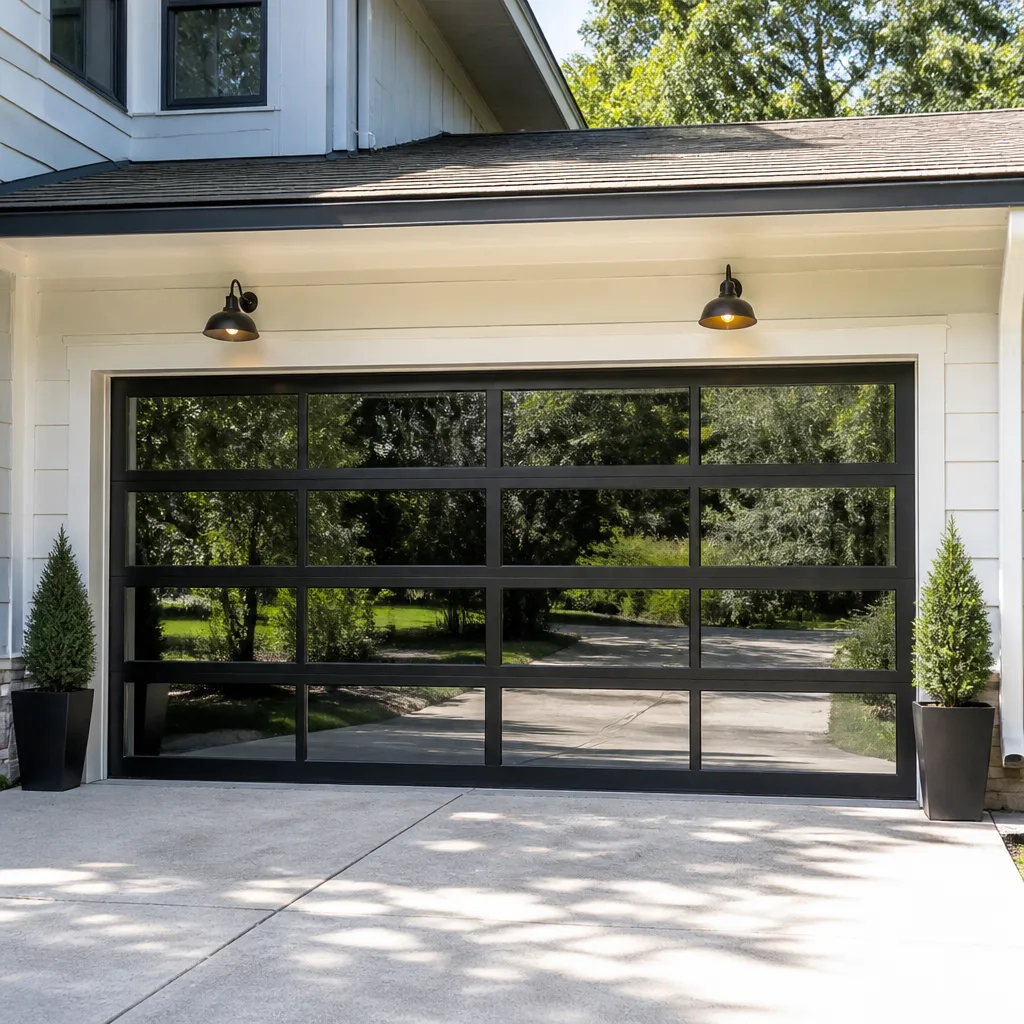 Full-view glass
 LiftMaster openers
 Chamberlain openers
Full 25-point door and opener safety check with every visit - springs, cables, rollers, tracks, and your LiftMaster or Chamberlain opener included
You get a price before we start. It does not change when the pro arrives.
Get your free estimateGarage Door Permits, Codes & Inspections in Westlake, OH: What You Need to Know
Most homeowners in Westlake assume a garage door permit is always required, or never required. Both beliefs are wrong, and the gap between them causes the most trouble. Replacing a door with one of the same size and style usually doesn’t trigger a permit in Westlake. Changing the opening itself, framing a new one, or building a new garage absolutely does. The difference doesn’t surface during the job. It surfaces years later, at a title search or a closing table, when a buyer’s inspector asks a simple question nobody can answer. This guide walks through how Westlake’s residential code treats garage door work, how the building department handles inspections, what your insurer cares about, how HOAs add a second layer of approval, and how to clean up an unpermitted installation before you list your home.
Quick Answer
In Westlake, a like-for-like garage door replacement generally does not require a building permit, but any work that changes the structural opening, adds a new opening, or is part of new construction does. Inspections are scheduled through the City of Westlake’s building department, and typical turnaround depends on their current workload. If you’re unsure which category your project falls into, ask the building department directly before the door is ordered, because the answer affects both the schedule and your paperwork.
Styles & brands we work with
- Raised-panel steel
- Carriage house
- Modern flush
- Full-view glass
- LiftMaster openers
- Chamberlain openers
Table of Contents
- Permit Thresholds: Replacement-in-Kind vs. Structural Change
- How Westlake’s Building Department Handles Garage Door Inspections
- What the Residential Code Actually Asks of Your Garage Door
- Insurance, Claims, and the Unpermitted Door
- HOA Approval: The Second Permit Nobody Mentions
- How to Resolve an Unpermitted Installation Before You Sell
- When to Call a Professional
- Frequently Asked Questions
Permit Thresholds: Replacement-in-Kind vs. Structural Change
The single most useful distinction in this whole guide is replacement-in-kind versus structural change. Once you can place your project on one side or the other, most of the confusion disappears.
Replacement-in-kind means the new door occupies the same opening, at the same width and height, with the same header and jambs left intact. The tracks and springs go back in the same configuration. Nothing about the building’s structure moves. In most Westlake residential situations, this is treated as a maintenance swap and doesn’t require a building permit. That fits the way most garages here are built: attached two-car garages in the standard subdivisions, with doors of a consistent size, so swapping one door for another of the same dimensions is straightforward work.
A structural change is different. It covers:
- Widening or raising the opening, or lowering the header
- Cutting a new opening into a wall that didn’t have one
- Converting a carport to an enclosed garage
- Adding a garage or an attached bay to the house
- Replacing a load-bearing header or altering the framing around the opening
- Changing from a single wide door to two narrower doors, or the reverse
Any of those crosses the line into permitted work in Westlake, and rightly so. The header above a garage opening carries load. Move it, resize it, or replace it without an engineer’s input and a sign-off, and you’ve changed the structure of the house. That’s the work the city wants to see on paper.
If your project is on the structural side, plan for a longer timeline. Measurements come first, then ordering, then installation, then inspection. If it’s a straight swap, the schedule is shorter. Either way, the first call should be to the City of Westlake’s building department, not to a door supplier. Ask them plainly: “I’m replacing a door of the same size in the same opening. Does this need a permit?” You’ll get a straight answer, and it’s free.
How Westlake’s Building Department Handles Garage Door Inspections
Westlake’s building department runs the permit and inspection process for residential work in the city. The exact steps and forms change from time to time, so treat the sequence below as a general map and confirm the current procedure when you call.
- Call or check online first. Ask whether your specific project needs a permit, and ask what the submittal requires. Have your address, the door size, and a description of the work ready.
- Submit the application. For structural work, that usually includes a drawing or manufacturer’s specification showing the opening and the door, plus whatever the department asks for. For a like-for-like replacement, you may be told no permit is needed at all.
- Pay the fee and get the permit issued. Fees are set by the city and scale with the job. Don’t budget from a guess; ask the department for the current fee schedule when you apply.
- Do the work. If the permit is issued, work proceeds under it. Keep a copy of the permit on site.
- Schedule the inspection. When the work is done, call to request inspection. Turnaround depends on the department’s current workload. Expect to wait days rather than hours for a slot.
- Get the sign-off. The inspection is where the paperwork becomes permanent. Keep the approved record with your home documents.
Two things trip people up here. The first is ordering the door before confirming the permit situation. If the department wants to see a specification before approving, and the door is already sitting in your garage, you’ve made the process harder than it needed to be. The second is skipping the final inspection after the work is done. A permit that was never inspected is barely better than no permit at all when a buyer’s title company starts asking questions.
If a contractor is handling the install, confirm in writing who is pulling the permit and who is responsible for the inspection request. In our experience, that’s the step that falls through the cracks most often when two parties each think the other has it covered.
What the Residential Code Actually Asks of Your Garage Door
Beyond the permit question, the residential code has specific things to say about how a garage door and its components must be installed. These matter whether or not a permit is required for your job, because they’re about safety, not paperwork.
The most important category is the spring system. A torsion spring or a pair of extension springs stores an enormous amount of energy, and the hardware that holds that energy has to be matched to the door’s weight and size. A spring rated for a lighter door, or a mismatched pair, puts uneven load on the system and shortens the life of everything around it. Spring repair is high-tension work, and it’s one of the reasons a permit or an inspection may ask for a manufacturer’s specification: it shows the hardware matches the door.
Other items the code touches on:
- Attachment and anchoring. Tracks and spring anchor plates must be fastened into solid framing, not drywall or siding. A door that pulls its tracks loose is a hazard, not an inconvenience.
- Safety reversing. An opener must have a working safety reverse and, on modern units, photo-eye sensors at the floor. This is checked at inspection when an opener is part of permitted work.
- Headroom and clearance. The door has to travel without binding, and the opener has to be mounted with the clearance the manufacturer specifies.
- Fire separation. Where a garage is attached to a house, the wall between them is a fire separation assembly, and altering the opening in that wall is exactly the kind of change that brings the permit requirement into play.
We work on the brand you already have, across Clopay, Amarr, Wayne Dalton, and the other major manufacturers, and matching replacement hardware to the door’s rated weight is standard practice on every spring job. It’s also the part of the work that an inspector will care about if the installation is ever looked at.
One caveat worth stating plainly: we’re describing these requirements in general terms, not quoting the code. Westlake’s building department is the authority on what applies to your specific address, and a quick call there settles it.
Insurance, Claims, and the Unpermitted Door
Here’s the part most homeowners don’t think about until it matters. Your homeowner’s policy is written around the house as it’s documented. When a claim happens, the insurer’s adjuster looks at what was damaged and how it was built. Unpermitted work that changed the structure of the home can complicate that process, because the insurer may question whether the work was done to code and whether the policy was written on an accurate description of the property.
That doesn’t mean every unpermitted door voids a claim. It means the conversation gets longer and less predictable, and that’s the last thing you want during a loss event. The cleanest position is to have the paperwork in order before anything happens.
What insurers typically want to see for garage-related work:
- Evidence that structural changes were permitted and inspected
- A record that the work was done by a qualified professional, not improvised
- Documentation of the door and opener installed, including the model
- Confirmation that safety features like the reversing system are in place and working
The pattern is consistent: the more of that documentation you have, the smoother the claim conversation goes. If you’re unsure whether your installation was permitted, the building department can tell you what’s on file for your address, and that’s the place to start.
One more note on the safety side. An inoperable door left that way is a security issue for the house, not just an annoyance. If a spring has failed or the door won’t close, that’s not a job to put off until the paperwork is sorted. Get the door functional first, then work the permit question in parallel.
HOA Approval: The Second Permit Nobody Mentions
Westlake has a substantial stock of planned subdivisions and HOA-governed neighborhoods, and in most of them the garage door is visible from the street. That makes it an aesthetic item the association cares about, and it sits on a completely separate track from the city permit.
The city cares about structure and safety. The HOA cares about appearance and consistency. You can satisfy one and still be in violation of the other, and plenty of homeowners discover this after the door is already installed.
What HOA approval typically covers:
- Door style, panel configuration, and window options
- Color, matched against the association’s approved palette
- Material, especially where the association restricts the look of the street
- Whether a change of style needs an architectural review committee’s sign-off
The sequence matters. Get HOA approval before you order, because a committee can require a different style or color than the one you’ve chosen, and returning a custom-ordered door isn’t simple. The same applies to the city permit if one is required. Both approvals should be in hand before the order goes in.
If you’re not sure whether your neighborhood has an architectural review requirement, check your closing documents or ask a neighbor who’s done exterior work. It’s a five-minute question that saves a lot of grief. And if the association asks for a specification sheet with the door’s dimensions and finish, we can provide one as part of the estimate.
How to Resolve an Unpermitted Installation Before You Sell
The worst time to find out about an unpermitted garage door installation is during a home sale. A buyer’s inspector flags it, the title company asks for records, and suddenly a closing is waiting on a permit question that should have been handled years earlier. The good news is that this is fixable, and the fix is usually less painful than people fear if you start early.
The general process for resolving unpermitted work in Westlake:
- Find out what’s actually on file. Call the City of Westlake’s building department with your address and ask what permits and inspections are recorded for the property. Sometimes the permit was pulled and the record is simply missing from your own files.
- Describe the work that was done. Be specific about what changed: was the opening altered, or was it a same-size replacement? The answer shapes what the department will ask for.
- Ask about the after-the-fact process. Cities generally have a procedure for permitting work that’s already complete. The department will tell you what documentation and inspection they need.
- Have a professional evaluate the installation. Before an inspection, a technician should confirm the springs match the door, the tracks are anchored into solid framing, and the safety reverse is working. Anything the inspector would flag is better found first.
- Complete the inspection and get the record. Once signed off, the work is documented and the closing question goes away.
Start this process well before you list. Real estate timelines are short, and inspection turnaround at the city depends on their workload. If you know the sale is coming, six to eight weeks of cushion makes the whole thing calm instead of frantic.
If a pre-listing inspection turns up a spring or opener problem at the same time, that’s a straightforward repair and can be handled alongside the paperwork. A pre-listing garage door repair visit that catches a worn spring before a buyer’s inspector does is worth the appointment.
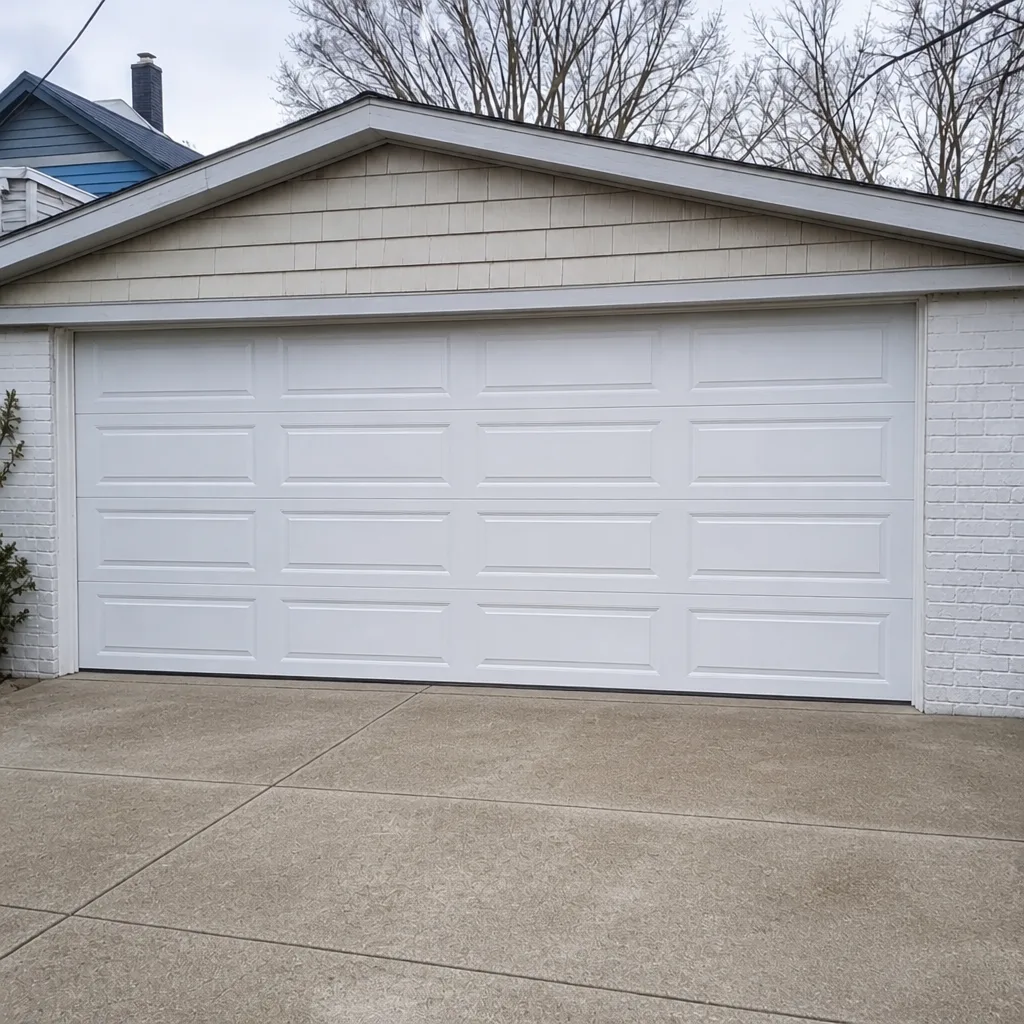
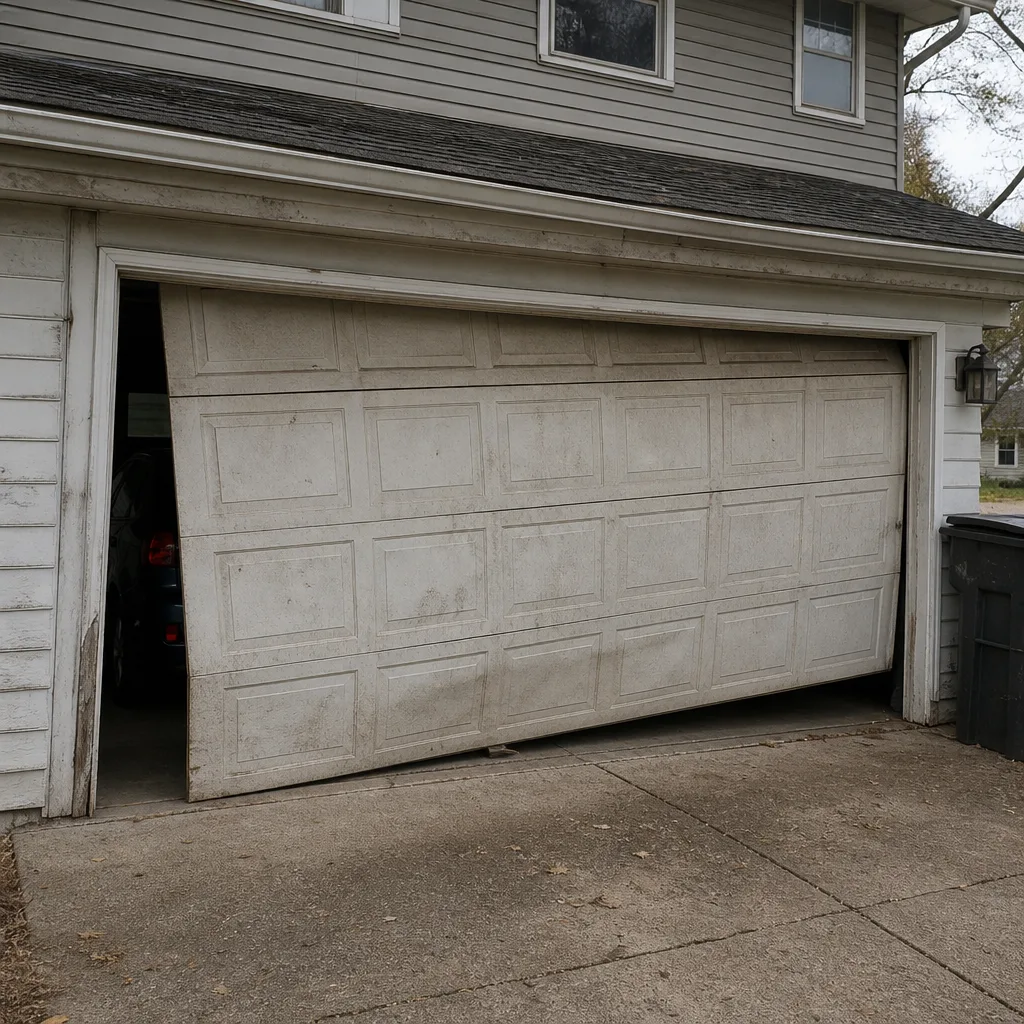
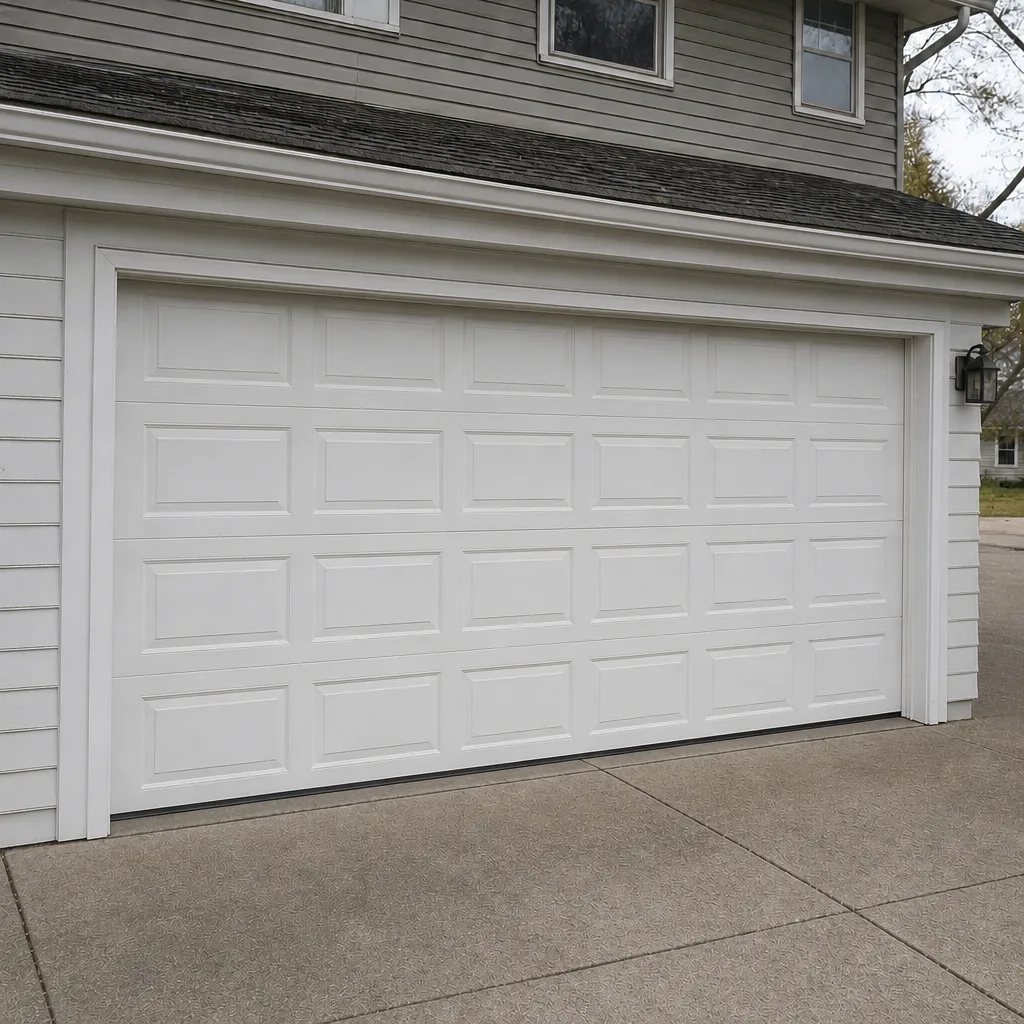
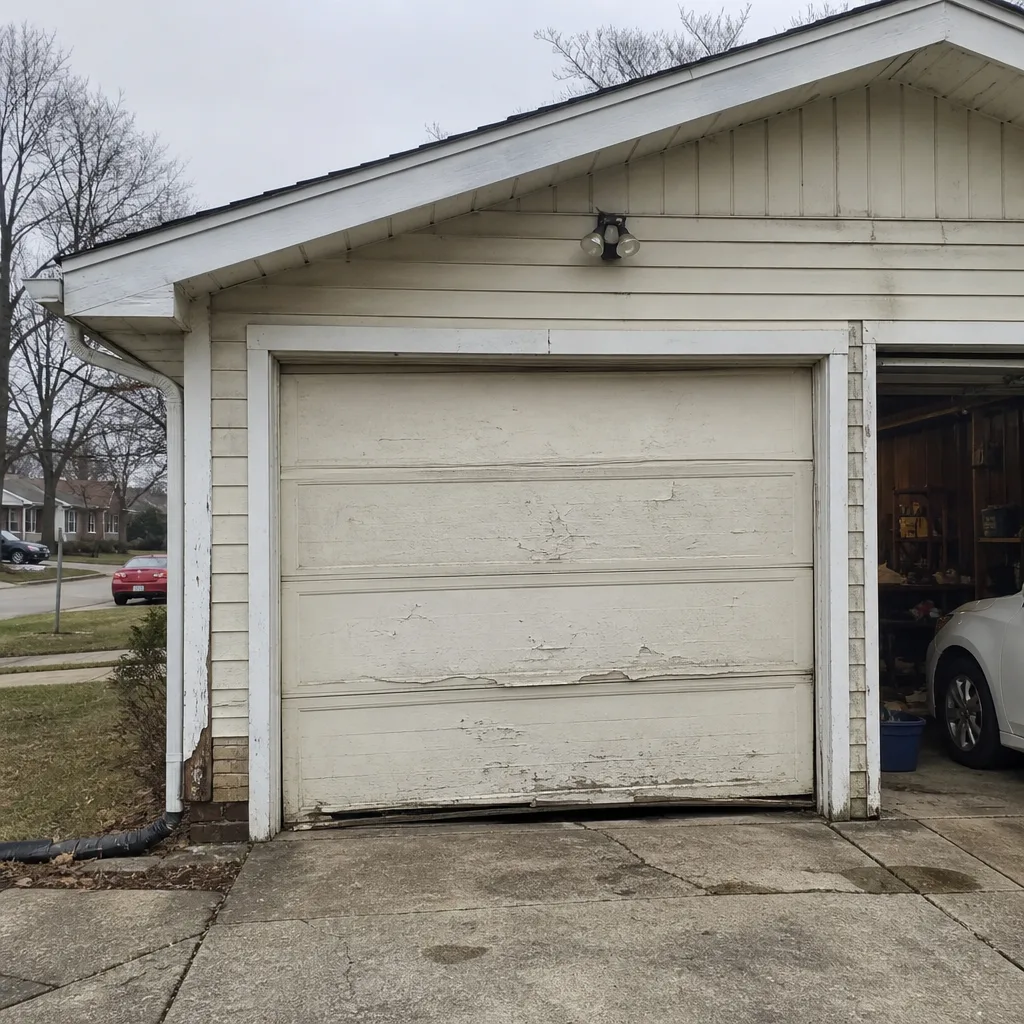
See the difference
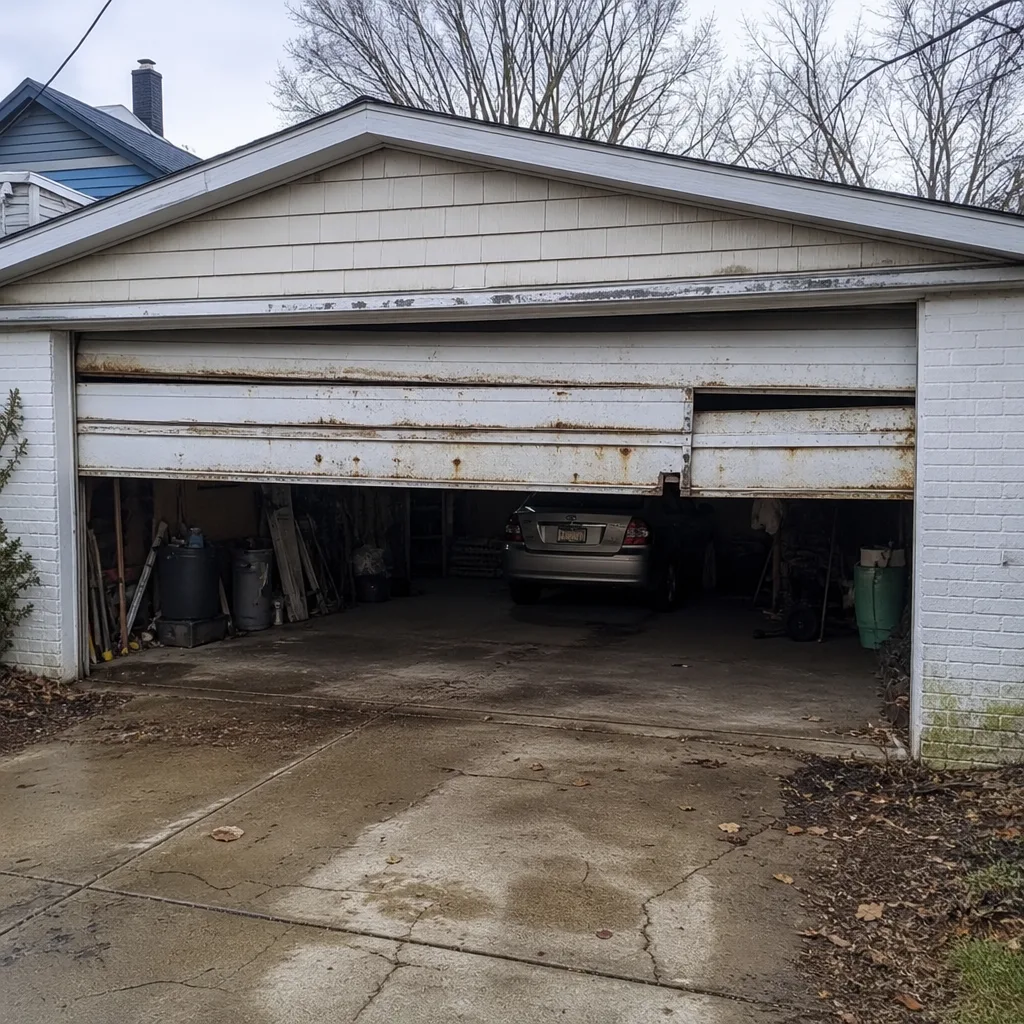 Before
 After
 Before
 After
 Before
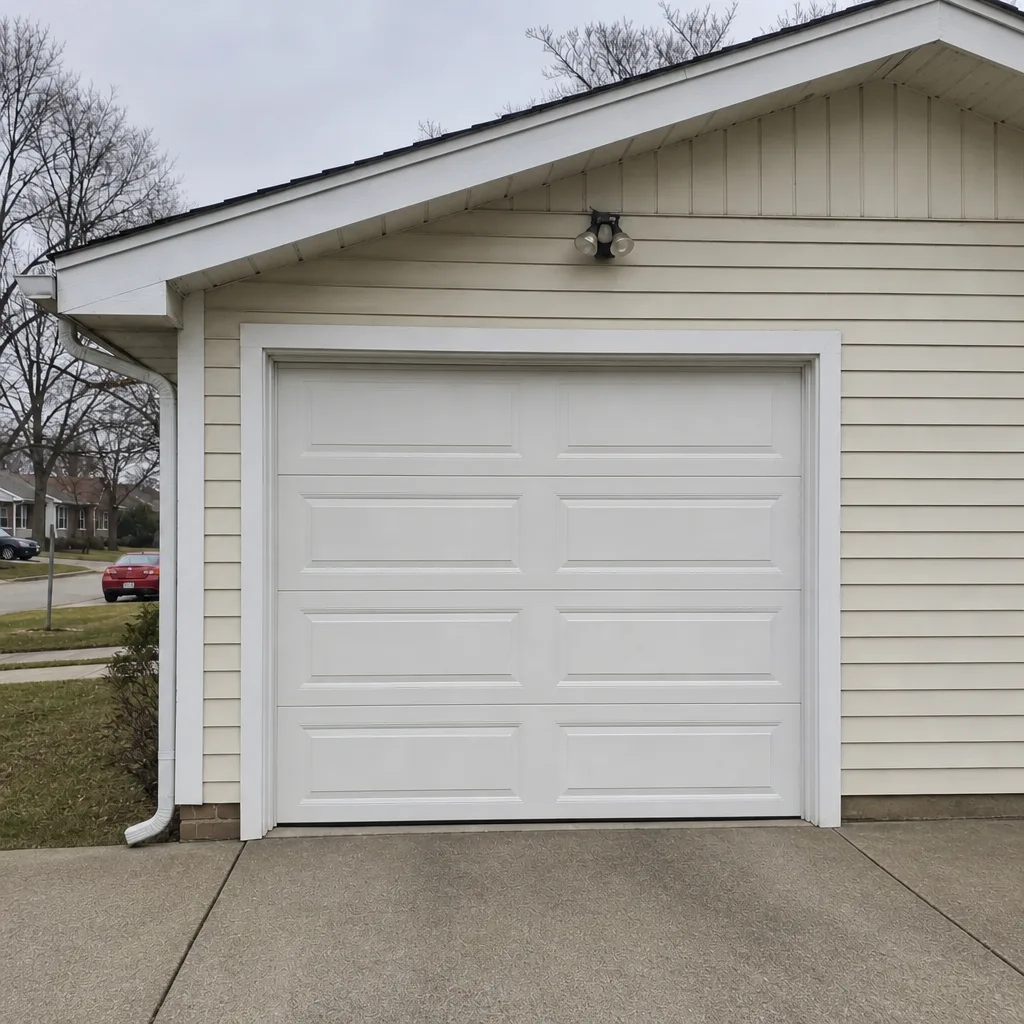 After
Common Mistakes to Avoid
- Assuming a permit is always required. Many Westlake homeowners pay for a permit they don’t need on a like-for-like replacement. A two-minute call to the building department settles it before any money changes hands.
- Assuming a permit is never required. The opposite error is worse. Structural changes, new openings, and new construction all need permits, and skipping one is the mistake that surfaces at closing.
- Ordering the door before confirming the permit or HOA approval. Both processes can require a different style or specification than the one you’ve chosen. Approvals first, order second.
- Skipping the final inspection. A permit that was never inspected doesn’t give you the documentation you need. Confirm who’s requesting the inspection and follow up on the sign-off.
- Forgetting HOA approval entirely. The city permit and the association’s architectural review are separate. One doesn’t satisfy the other, and both have to happen before install.
- Leaving a failed spring in place while you sort paperwork. A door that won’t open or close leaves the house unsecured. Get it functional first, then deal with the permit question.
- Waiting until the week before listing. Retroactive permits move at the city’s pace, not yours. Start the process months ahead if you know a sale is coming.
When to Call a Professional
Some of the work in this guide is a phone call and a bit of paperwork. Some of it isn’t. Call a professional when the spring system has failed or is making noise, when the door is off its tracks or won’t close fully, when the opener’s safety reverse doesn’t respond, when you’re replacing a door as part of a structural change, or when a pre-listing inspection turns up something you need documented before closing. High-tension springs and the anchoring of tracks into framing are not do-it-yourself territory. If the door is inoperable, it’s a security and safety issue for the house, and it needs attention now rather than next week. We handle brand-specific openers and hardware as part of the same visit, so a garage door opener repair and a spring evaluation can happen together. Garage Door Repair Westlake offers free estimates in Westlake – call (833) 962-9341.
Frequently Asked Questions
Usually not, if the new door is the same size and style in the same opening with no structural change. A permit is generally required when the opening itself is being altered, a new opening is cut, or the work is part of new construction or a garage addition. Confirm with Westlake’s building department before ordering. If the work is structural, call us at (833) 962-9341 for a free estimate on the door side; estimates are free.
Turnaround depends on the building department’s current workload, and it’s typically counted in days rather than hours, so plan for a slot rather than an instant visit. The inspection itself is usually a short visit once the work is complete and documented. Call the City of Westlake’s building department for the current wait, and build some cushion into your schedule if you’re coordinating with a sale.
It can complicate the claim, because the insurer may question whether the work was done to code and whether the property was described accurately on the policy. It doesn’t automatically void coverage, but it makes the conversation longer and less predictable. The safest position is documented, permitted, inspected work, and a call to the building department tells you what’s on file. If you need the installation inspected, call (833) 962-9341 – estimates are free.
Very likely, if your neighborhood has an architectural review requirement, and that approval runs separately from the city permit. Presentation, color, panel style, and material are all common review items. Check your association documents or ask a neighbor before ordering, because a committee can require a different style and custom doors aren’t easy to return.
Call the building department, ask what’s on file for your address, describe the work, and follow their after-the-fact permit procedure, including whatever inspection they require. Have a technician confirm the springs match the door and the hardware is properly anchored first, so the inspection doesn’t turn up something unexpected. Start six to eight weeks before you list. Call (833) 962-9341 for a free estimate on any repairs that come up.
The code isn’t written to regulate springs by name, but it does regulate the installation, and the spring system has to match the door’s weight and size for the installation to be sound. That’s why a permitted job may ask for manufacturer specifications. Spring work is high-tension work and belongs with a trained technician. Our technicians have up to 9 years of experience, and a garage door spring repair visit includes matching replacement hardware to the door. Call (833) 962-9341 – estimates are free.
The Bottom Line
Garage door permits in Westlake come down to one question: is the structure of the opening changing? A like-for-like replacement usually doesn’t need a permit, and a structural change, a new opening, or new construction does. Get the answer from the building department before the door is ordered, get HOA approval in parallel if your neighborhood requires it, and keep the inspection record with your home documents. If you’re selling and something was missed, start the retroactive process early and have the installation checked first. A few phone calls now protect the value of the work when it matters most.
If you’re in Westlake and need a garage door evaluated, repaired, or replaced in a way that lines up with the city’s requirements, call Garage Door Repair Westlake at (833) 962-9341 for a free estimate. We work on Genie, LiftMaster, Chamberlain, Clopay, Amarr, Wayne Dalton, Craftsman, and Raynor equipment, from a broken spring to a brand-new door, and we’ll tell you plainly what the job involves before any work starts. Pricing is quoted and agreed before we begin, and every estimate is free. When you need Garage Door Repair Westlake, start with a call.
Written by the team at Garage Door Repair Westlake.