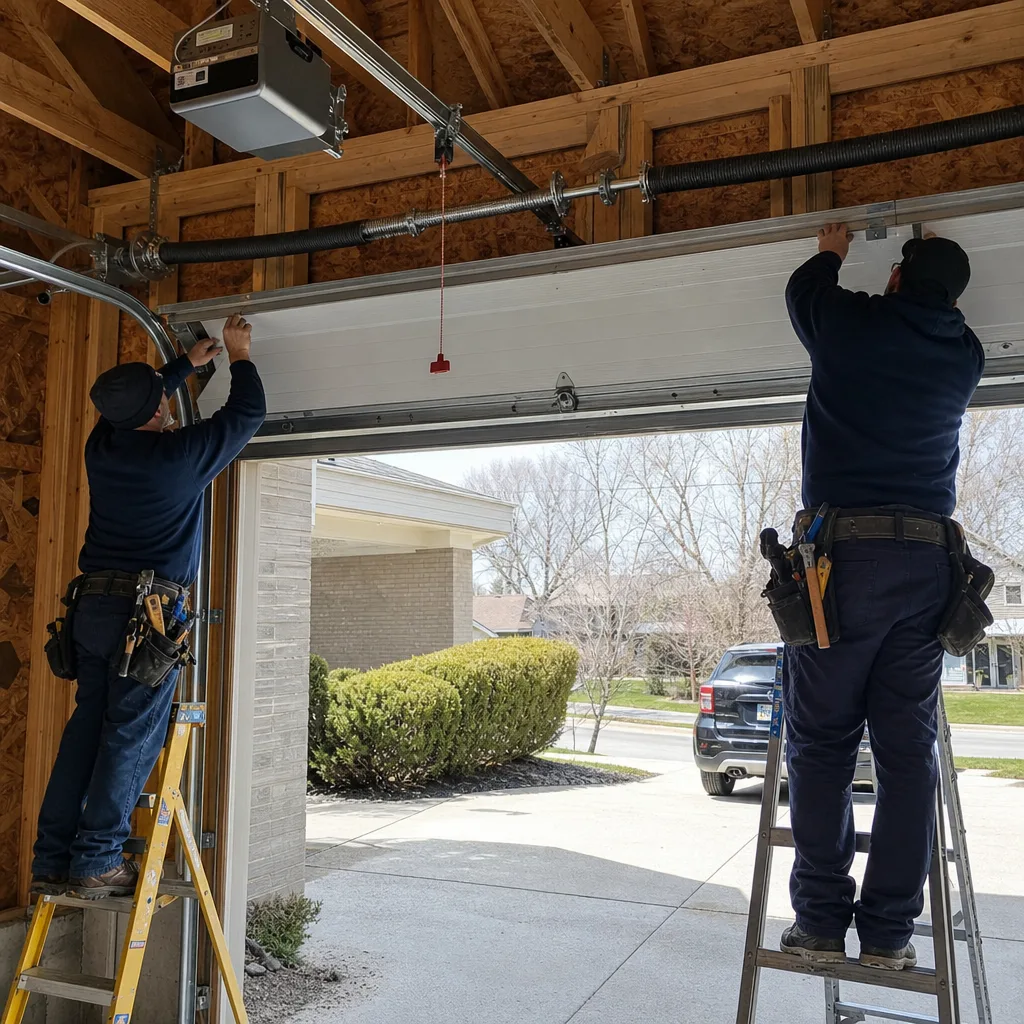
Last updated November 20, 2026
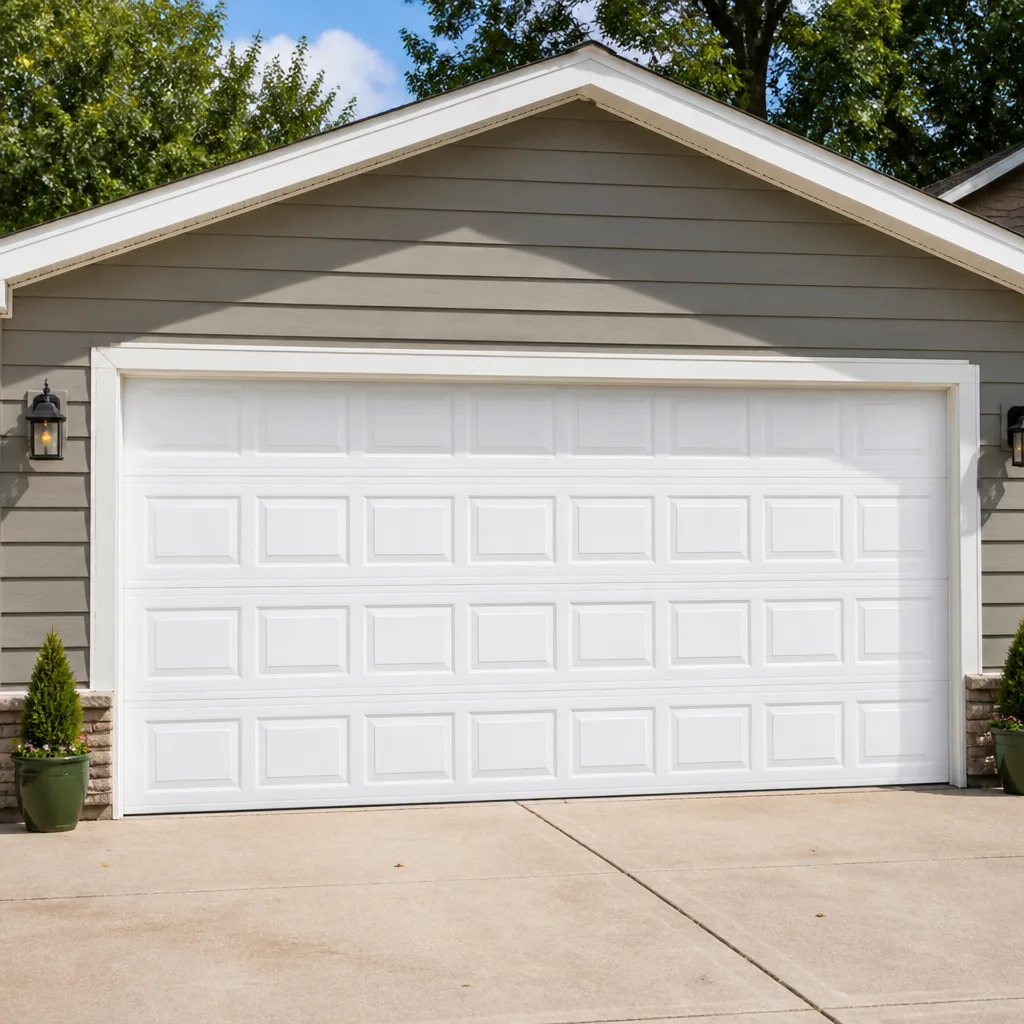 Raised-panel steel
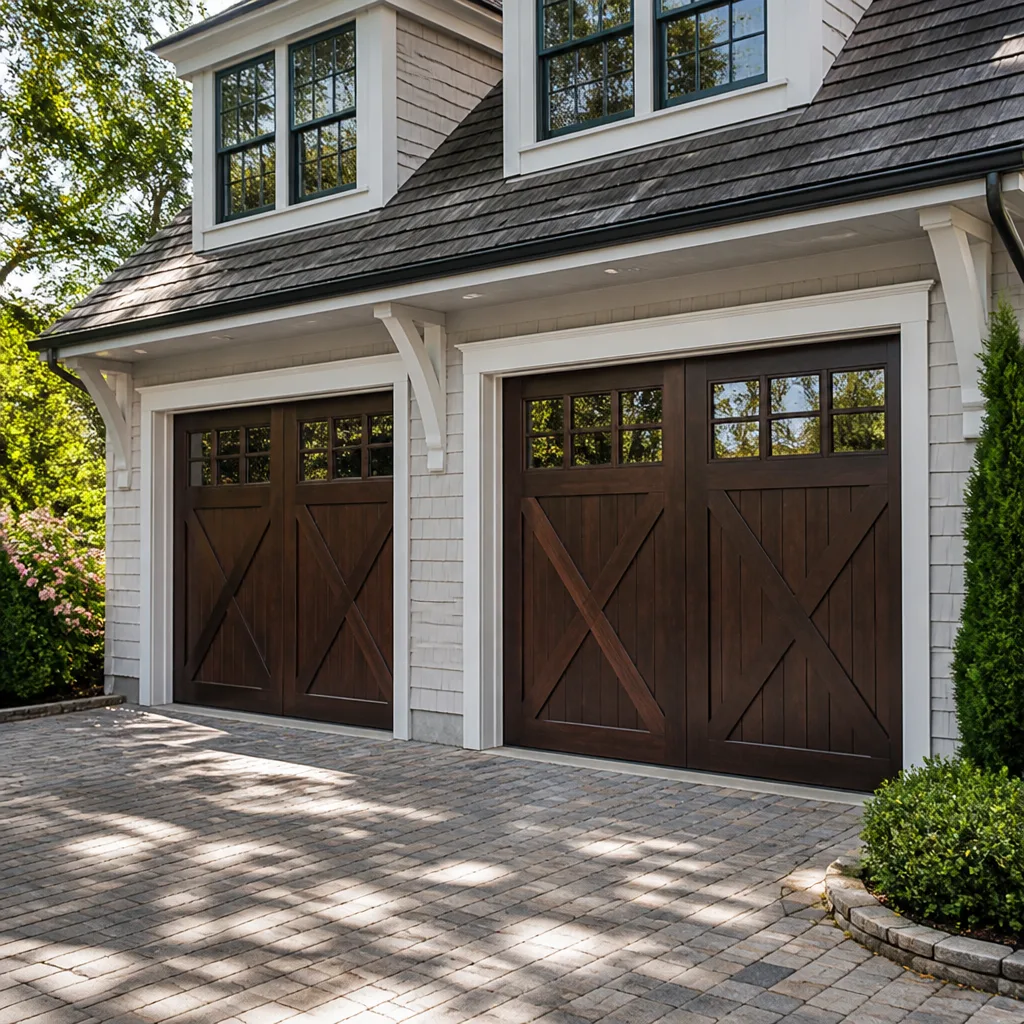 Carriage house
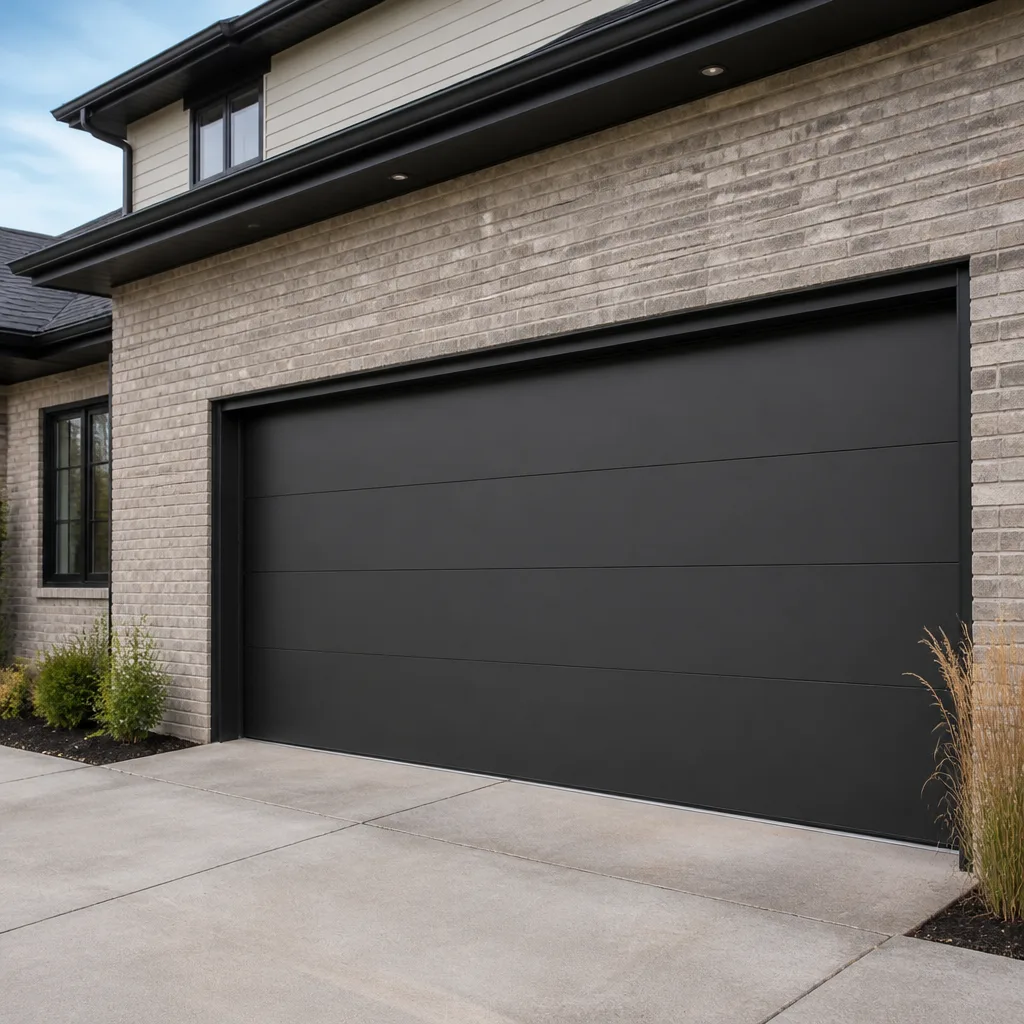 Modern flush
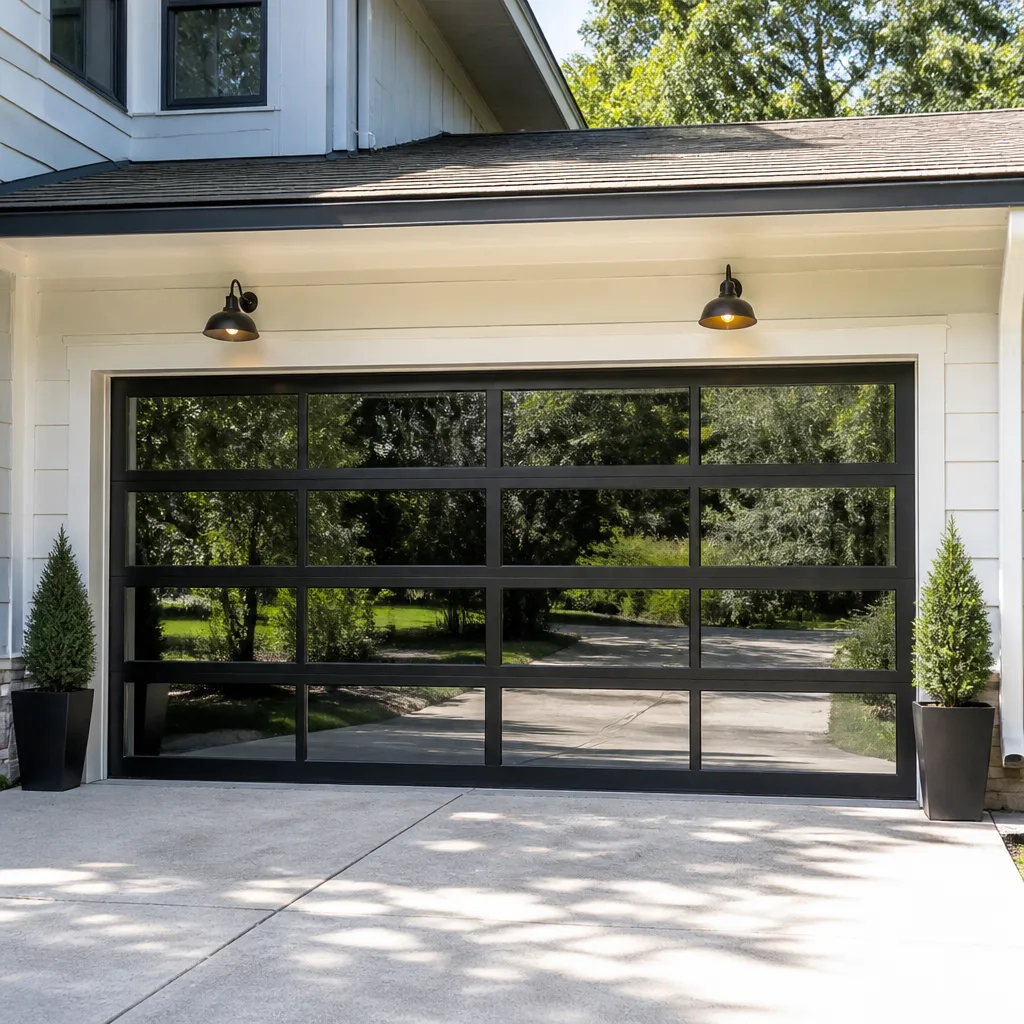 Full-view glass
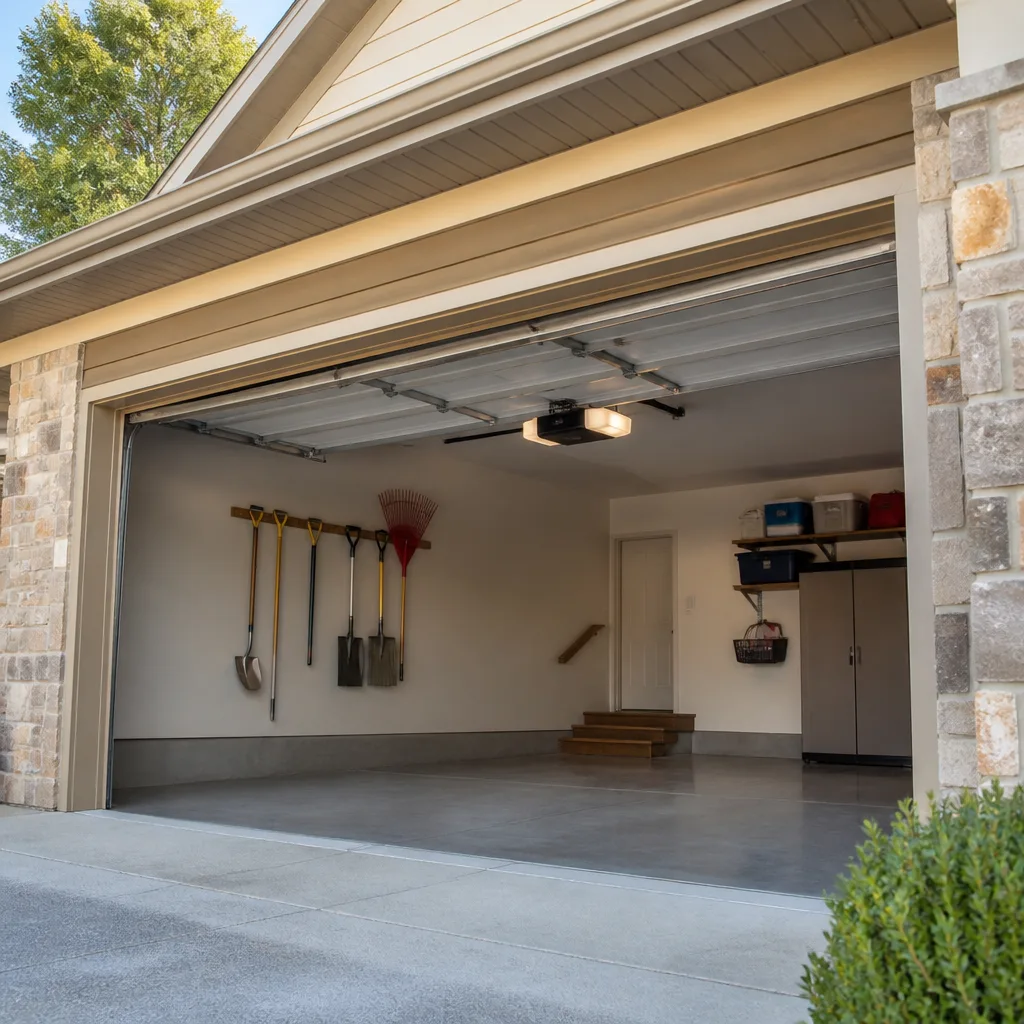 LiftMaster openers
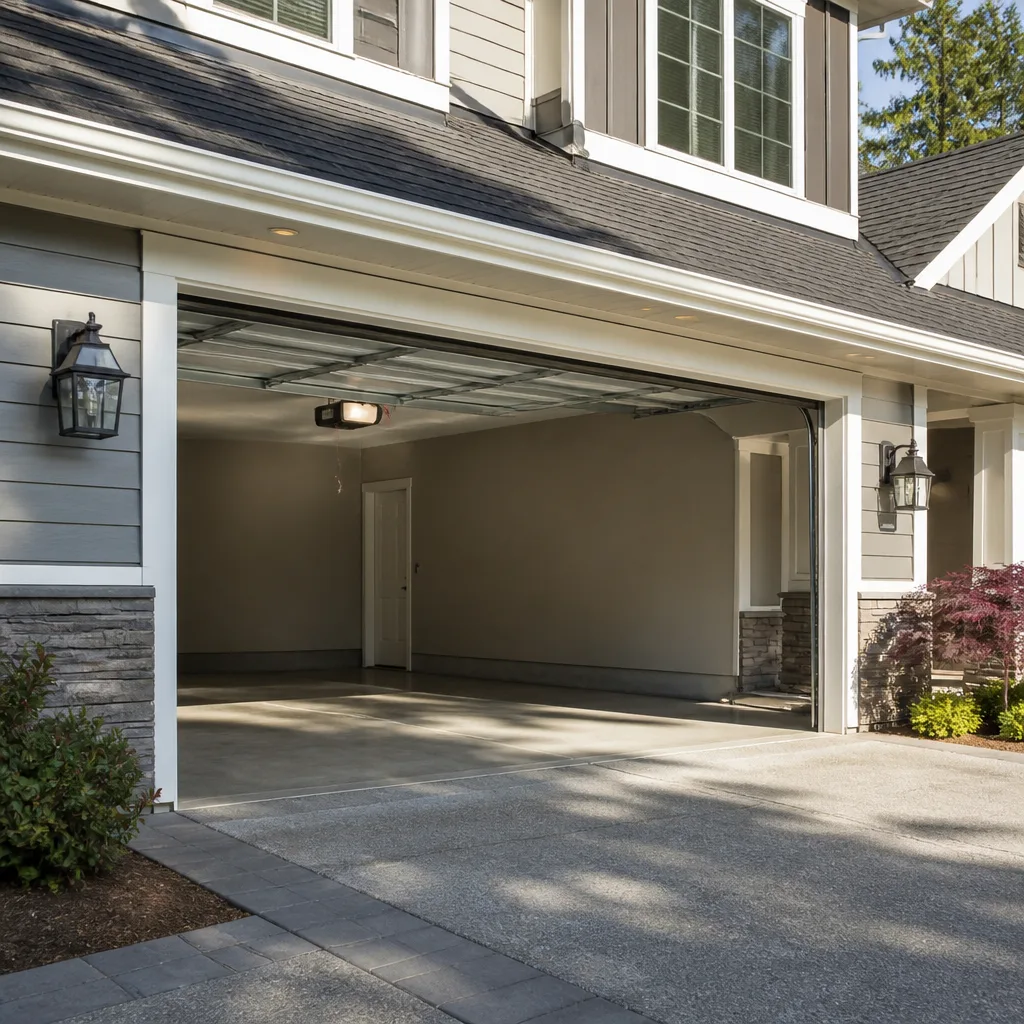 Chamberlain openers
Full 25-point door and opener safety check with every visit - springs, cables, rollers, tracks, and your LiftMaster or Chamberlain opener included
You get a price before we start. It does not change when the pro arrives.
Get your free estimateDIY vs Professional Garage Door: The Westlake Homeowner’s Decision Guide
Torsion spring replacement is not a gray area. A wound torsion spring stores enough mechanical energy to break a bone or worse in under a second, and no YouTube tutorial changes that physics. But here’s the part most guides skip: that specific danger doesn’t mean every garage door task belongs to a professional. Some jobs are genuinely homeowner territory, some are a coin flip, and a few are the kind we’d never suggest you attempt. We’ve watched Westlake homeowners waste money on both ends of that spectrum – paying a pro to lubricate a track, or worse, trying a spring swap with a pair of vise grips. This guide draws the line task by task, explains the mechanics behind the dangerous stuff without the drama, and tells you where DIY actually saves money and where one mistake erases the savings.
Quick Answer
In Westlake, most routine garage door maintenance and adjustments are safe for a capable homeowner: lubrication, weatherstripping, sensor alignment, track cleaning, and most opener programming. Torsion and extension spring work, cable replacement, and anything involving the door’s counterbalance system should always go to a trained technician because the stored mechanical energy can cause serious injury in a fraction of a second. For everything in between, the decision comes down to whether the task touches the door’s load-bearing hardware and whether self-performed work could affect your manufacturer warranty.
Styles & brands we work with
- Raised-panel steel
- Carriage house
- Modern flush
- Full-view glass
- LiftMaster openers
- Chamberlain openers
Table of Contents
- Which Garage Door Tasks Are Safe to DIY and Which Aren’t
- The Real Physics Behind Torsion Spring Tension
- Opener Programming and Smart-Home Integration: Mostly DIY Now
- How Self-Performed Work Affects LiftMaster and Clopay Warranties
- Cost-Benefit Reality Check: Where DIY Pays Off
- How Westlake’s Climate Affects Garage Door Wear
- How to Choose a Garage Door Professional in Westlake
- The Safety Boundary That Doesn’t Move
Which Garage Door Tasks Are Safe to DIY and Which Aren’t
The useful dividing line isn’t skill. It’s whether the task involves the door’s counterbalance system – the springs, cables, and drums that hold the door’s weight. Anything on the balanced side is a maintenance job. Anything that changes or releases stored tension is a technician job.
Tasks a capable homeowner can handle
- Lubrication: A garage door has hinges, rollers, and a track that benefit from a light application of a proper garage door lubricant a few times a year. Avoid greasing the tracks themselves, which attracts grit.
- Weatherstripping replacement: The bottom seal and the perimeter weatherstripping are consumables and easy to swap. Cracking and gaps are visible and the fix is straightforward.
- Safety sensor alignment: The photo-eye sensors near the floor need to see each other. A bumped sensor or a spider web can stop the door from closing. Straightening and cleaning them is a five-minute job.
- Track cleaning and minor debris removal: Wiping down the tracks and clearing leaves or grit keeps the door running smoothly.
- Minor panel touch-up: Cosmetic paint or a small dent on a non-structural panel is user territory.
- Opener remote and keypad programming: Most modern openers handle this through the wall control or an app (more on that below).
Tasks that belong to a technician
- Torsion or extension spring replacement or adjustment
- Cable replacement or re-spooling
- Bottom bracket and drum work
- Track realignment after impact
- Panel replacement when a hinge point is bent
- Opener motor, capacitor, or gear replacement
- Anything involving an unbalanced or binding door
When a Westlake homeowner describes a door that goes up crooked or slams down, the culprit is almost always a spring or cable. That’s the boundary. If you spend a minute reading the door’s behavior and it sounds like the counterbalance, stop and call. Our garage door repair page walks through the common failure modes if you want a sanity check on your symptoms before picking up the phone.
The Real Physics Behind Torsion Spring Tension
The reason professionals tell you not to touch a torsion spring isn’t gatekeeping. It’s because the spring is essentially a wound coil of steel holding the entire weight of your door in a loaded state. When it’s under tension, it holds energy. When that energy releases all at once, it releases through whatever is in its path – including fingers, hands, and faces.
Here’s how a torsion system actually works. A torsion spring mounts on a shaft above the door. As the door closes, the spring winds up. As the door opens, the spring unwinds and does the lifting. Most residential doors use one or two torsion springs, sized precisely to the door’s weight and height. The spring’s stored force is measured in inch-pounds, and it’s substantial: the springs on a typical two-car door carry a load that most people couldn’t lift by hand.
What makes it dangerous to work on
- The spring is under load whenever the door is closed. You can’t “just look” at a torsion spring system without understanding whether it’s wound.
- The winding bars store energy too. The bars used to adjust tension are under the same load as the spring. If the bar slips out of the winding cone, it becomes a projectile.
- A broken spring releases its energy instantly. When a torsion spring snaps, it does so with an audible crack; the door drops. If someone is underneath or holding the door, the consequences are serious.
- Improper replacement damages the door. A spring sized wrong for the door’s weight will cause the door to bind, wear out the opener prematurely, or fail again fast.
None of this is meant to be dramatic. It’s just the mechanics. The reason garage door spring repair is treated as a dedicated specialty in Westlake is that it’s genuinely a different job from hanging a new door or swapping an opener – it requires the right winding tools, springs matched to door weight, and a technician who knows what a properly balanced door feels like. High-tension garage door spring work is the one task we’d put in the “never DIY” category without qualification. Our technicians have up to 9 years of experience, and spring work is where that experience shows.
Opener Programming and Smart-Home Integration: Mostly DIY Now
If you bought a garage door opener in the last decade, there’s a very good chance you can program it, connect it to your home network, and control it from your phone without a technician. This has genuinely changed the DIY equation. A LiftMaster or Chamberlain opener with MyQ compatibility, a Genie with Aladdin Connect, or a smart hub like a modern wall control can be set up in 20-40 minutes by a patient homeowner.
What’s now homeowner-accessible
- Remote and keypad pairing: Standard on every current opener. Follow the wall control or the manual.
- Travel limit adjustment: On most units, this is a screw or button on the opener housing. Adjust tiny increments.
- Force adjustment: Same story. Small tweaks to the down and up force are documented and doable.
- WiFi and MyQ setup: The app walks you through it. Have your network password and a phone ready.
- Battery backup checks: Most openers now ship with a battery backup; checking it is a user task.
What still needs a technician
- Motor or gear replacement
- Logic board failure
- Capacitor issues (a humming opener that won’t move)
- Safety sensor wiring runs
- Repairs on proprietary connectors or harnesses
One useful habit: write down your opener’s model number before calling anyone. A technician who knows your exact model before arriving can bring the right part. If your opener is a LiftMaster or Chamberlain, both the wall control and the manual list the model. If you’re dealing with an opener issue you can’t solve, our garage door opener repair page covers the common failure patterns and the models we work on. In our experience, half of the “opener repair” calls we handle in Westlake turn out to be a sensor or a travel limit issue the homeowner could fix themselves – we’d rather tell you that than take the service call.
How Self-Performed Work Affects LiftMaster and Clopay Warranties
This is the part most DIY guides ignore. Garage door manufacturers sell their products through authorized dealer networks, and their warranties have language about proper installation and service. Read that language before you pick up a wrench.
What usually voids or limits a warranty
- Improper installation of the opener or door: A manufacturer can deny a claim if the failure is traced to installation outside their standards.
- Service performed by someone unqualified: Some warranties include language about “qualified” service. If you’re not trained, you can trigger that clause on a failure.
- Modified or non-OEM parts: Springs and openers are the usual suspects. A spring swapped in with the wrong wire gauge or a generic opener part can void a specific component warranty.
- Missed annual service: A few manufacturers require periodic maintenance to keep the warranty valid. Read your paperwork.
What usually doesn’t void a warranty
- Lubrication
- Weatherstripping replacement
- Remote or keypad programming
- Cleaning
- Sensor alignment
If you’re inside your warranty window on a LiftMaster opener or a Clopay door, the safest move is to keep routine service legitimate and let a technician handle anything structural. Clopay and LiftMaster both publish their warranty documents online; find your model number and read the actual language rather than relying on a forum post. Some warranties also transfer with the home, which matters if you’ve recently purchased a Westlake property – the previous owner’s service records can be worth requesting during your inspection period.
Cost-Benefit Reality Check: Where DIY Pays Off
The honest answer is that some DIY saves you real money and some DIY is a false economy. Here’s how we’d break it down in Westlake.
| Task | Typical DIY savings | Risk level | Verdict |
|---|---|---|---|
| Lubrication | Meaningful | Low | DIY |
| Weatherstripping | Meaningful | Low | DIY |
| Sensor alignment | Meaningful | Low | DIY |
| Remote/keypad programming | Meaningful | Low | DIY |
| Opener board or motor repair | Small | Medium-high | Call a technician |
| Track realignment | Small | Medium-high | Call a technician |
| Panel replacement | Small | Medium | Call a technician |
| Spring or cable work | None that justifies the risk | High | Always a technician |
The pattern holds: the higher the mechanical load in a task, the less DIY actually saves. A spring swap might save you an hour of labor on paper, but if the wrong-size spring damages the door’s lift efficiency, you’re back to paying a technician to redo it, and the door has been stressed in the meantime. The same applies to opener gear replacement: the part is cheap, but diagnosing whether the problem is the gear versus the motor or the logic board is exactly the labor you’re paying for.
When DIY is genuinely smart
- Your door runs fine and you’re doing maintenance. Two hours a year of lubrication and weatherstripping gives you the biggest return on any garage door task.
- You’re integrating a modern opener into smart-home routines. App-based setup is now the intended user path.
- You’re adjusting a limit or force setting on a working opener. Small screw turns, tested between each one.
- You’re troubleshooting a sensor. If the door reverses immediately after closing, start with the sensors.
Where DIY stops making sense: any task that requires you to release, hold, adjust, or measure the spring tension. That’s the line.
How Westlake’s Climate Affects Garage Door Wear
Westlake’s climate puts a specific kind of wear on garage doors that shifts the DIY equation a bit. Winters are cold enough to cause freezing cycles around the bottom seal, and the freeze-thaw pattern common in Northeast Ohio loosens weatherstripping and door hardware over time. Summer humidity swings can make wooden doors swell and stick. Those seasonal cycles are exactly why a couple of homeowner-level maintenance tasks, done on schedule, prevent most of the bigger repairs.
The climate-sensitive parts of your door
- Bottom seal: Cracks and lifts first because it sits on the concrete where moisture collects. Check it each fall before the first freeze.
- Track alignment: Ground movement and temperature swings push tracks slightly out of square. Small misalignments are the cause of many of the binding complaints we see in Westlake.
- Springs: Cold makes metal more brittle. A spring that’s been in service for years is more likely to fail in a cold snap. Don’t tune or adjust a spring in the cold.
- Wood or wood-composite doors: Need a fresh finish every few years to hold up to freeze-thaw.
What does this mean for DIY? The maintenance jobs that matter most in Westlake’s climate – weatherstripping and track checks – happen to be the ones that are safe to do yourself. The repairs the climate drives – spring failure and track realignment – happen to be the ones a technician should handle. If your door has begun to bind in cold weather, that’s a cue to have it looked at before it becomes a broken spring. We work on LiftMaster and Chamberlain openers and Clopay doors regularly, and the wear patterns in Westlake match what you’d expect from a cold-climate market.
How to Choose a Garage Door Professional in Westlake
Once you’ve decided a task belongs to a technician, the next question is which one. Not every “garage door guy” in a search result is the same. Here’s what to verify before you book the appointment.
A checklist you can use
- Ask what brands they regularly service. A generalist who says “we handle everything” is usually a generalist on every brand, which means they’ll figure out your model on your dime. We handle the eight most common brands in North America: LiftMaster, Chamberlain, Genie, Clopay, Amarr, Wayne Dalton, Craftsman, and Raynor. If your brand isn’t on that list, ask pointed questions about their experience with it.
- Confirm the price is quoted and agreed before work starts. Any garage door repair should begin with a written estimate you’ve accepted. If someone shows up and starts working without a quote, you’ve lost control of the price.
- Ask how they’ll verify door balance after the repair. A proper spring replacement ends with the door tested in a manual release state to confirm it holds position mid-travel.
- Get the model numbers of any parts they plan to replace. This is your check against a generic part being installed on a warranty-covered system.
- Ask whether the local pro is insured for the work being done. The vetted local professional we connect you with is licensed and insured as their state requires.
- Watch for the “figure it out” flag. If a technician arrives and says “I’ll have to look at the opener to see what we’re dealing with,” that’s a sign they aren’t familiar with your equipment. Factory-familiar service on specific brands matters, especially on LiftMaster and Chamberlain openers with proprietary connectors.
The Safety Boundary That Doesn’t Move
Some decisions in this guide depend on your comfort level with tools and your time. The spring and cable boundary doesn’t. High-tension work on a garage door’s counterbalance system is a job for a trained technician, using the right tools, every single time, in Westlake and everywhere else.
That doesn’t mean we think homeowners should call a pro for everything. Do the maintenance. Learn your opener. Understand your door’s behavior so you can describe symptoms accurately when you do call. That saves us both time, and it protects your door and your wallet. But the moment a task involves the springs, the cables, the drums, or the bottom brackets, that’s a professional job. It’s also a job we treat as its own specialty rather than a general repair, because the tools are different and the risk is different. If you’re not sure whether a symptom is counterbalance-related, our main Garage Door Repair Westlake page lists the common ones. Something as simple as “the door feels heavier when I lift it” is usually a spring problem, and it’s worth a phone call before it gets worse.
Common Mistakes to Avoid
- Trying to lube a spring or adjust tension yourself. Springs are the wrong place to learn. Even a “small” adjustment to a torsion spring can cause a serious injury if a winding bar slips under load.
- Forgetting that the door’s behavior changes with the seasons. A door that binds in February in Westlake often needs weatherstripping or a track check, not a new spring. Misdiagnose the seasonal issue and you’ll overpay for the fix.
- Skipping the sensor check. Sensors are the number-one cause of “door won’t close” calls in Westlake. Check them before booking a technician.
- Assuming DIY won’t affect your warranty. LiftMaster and Clopay both have warranty language about authorized service. If you’re inside your warranty window, ask before acting.
- Using the wrong lubricant on the tracks. Grease attracts grit. Use a garage-door-specific lubricant on the hinges and rollers, not on the track.
- Ignoring a door that’s started to sag on one side. That’s almost always a cable or a spring issue. It’s not going to fix itself, and it will get worse.
- Buying a universal spring kit online to “save money.” Universal springs sized wrong for your door will stress the opener and the door’s lift efficiency. The savings won’t survive the redo.
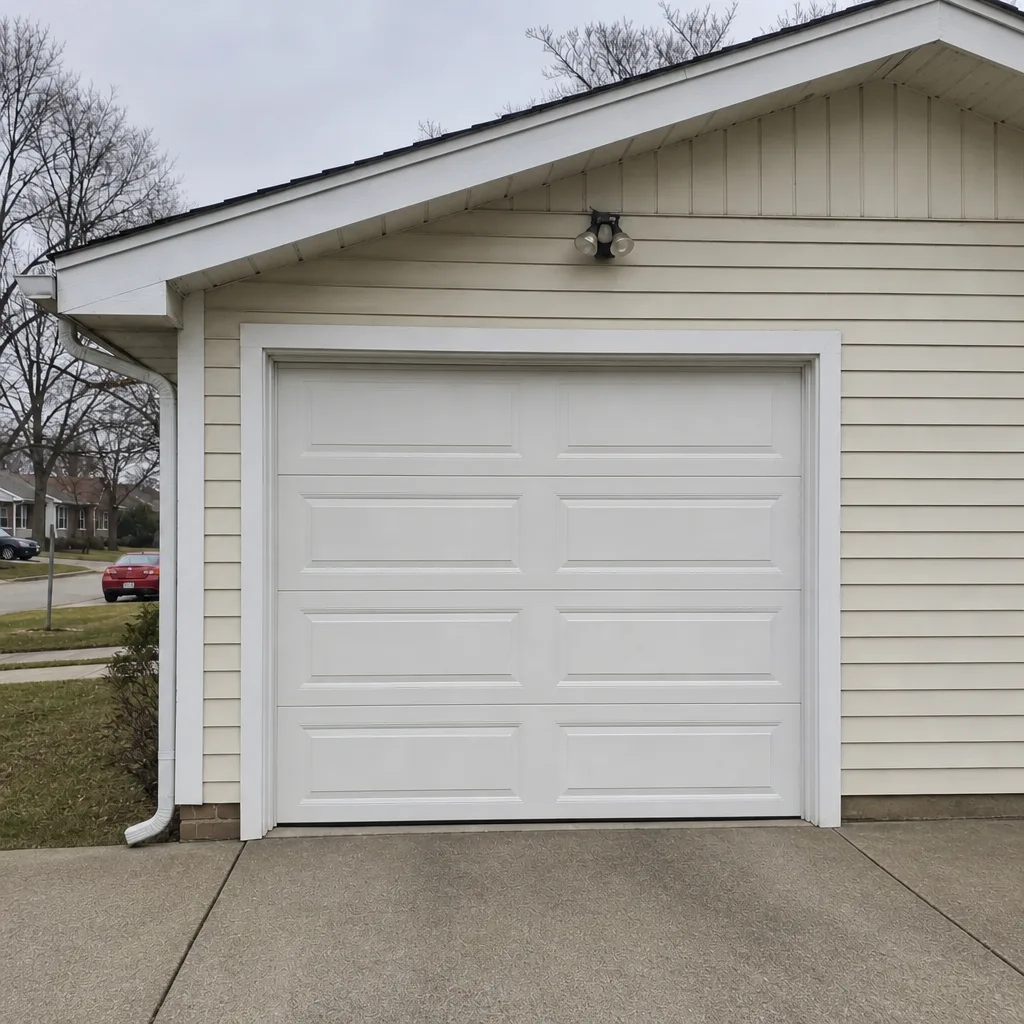
See the difference
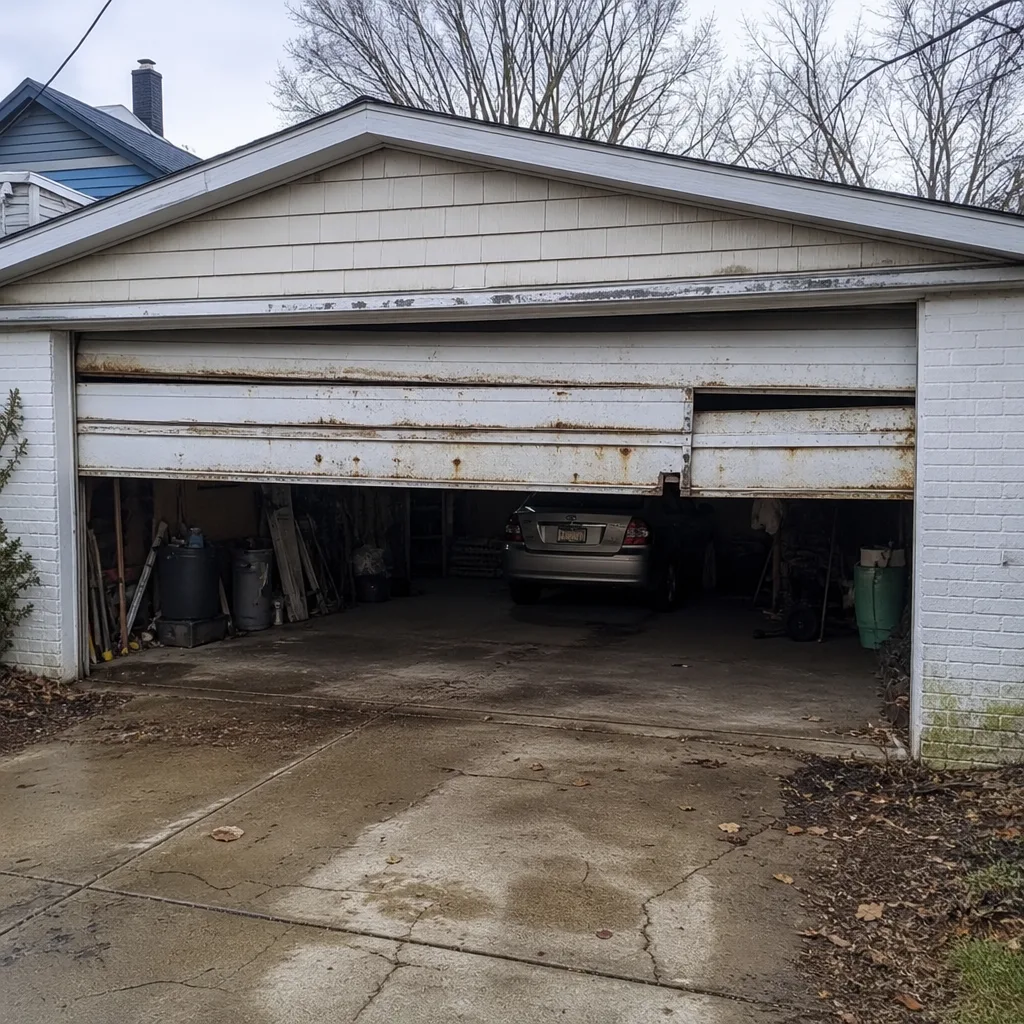 Before
 After
 Before
 After
 Before
 After
When to Call a Professional
Call a technician in Westlake when the door won’t lift or lowers under its own weight, when a spring or cable has visibly broken, when the door is binding, off-track, or binding on one side, when the opener hums without moving the door, when a panel or hinge has been struck, or when you’re inside a warranty window and the task involves structural hardware. Call sooner, not later, if the door is open and won’t close: that’s a security issue, not just a convenience one. Garage Door Repair Westlake offers free estimates in Westlake – call (833) 962-9341. Same-day emergency response is available for inoperable doors.
Frequently Asked Questions
No. Torsion spring replacement is high-tension work that carries a real risk of serious injury, and a spring sized wrong for the door’s weight will damage the door and the opener. This is the one task in the entire garage door category we’d never recommend a homeowner attempt, no matter how many tutorials they’ve watched. Call a technician for spring work – it’s a job we handle as a dedicated specialty for exactly this reason.
Spring repair pricing depends on the door’s weight, height, and spring configuration, so a written estimate is the only real number. We quote and agree on the price before any work starts, and estimates are free. Call (833) 962-9341 for a same-day quote based on your door’s specifics.
No. Remote pairing, keypad setup, and MyQ WiFi integration are user-level tasks the manufacturer expects you to perform. The warranty language concerns installation and service, not programming. If you’re dealing with a board, motor, or capacitor, that’s where warranty language starts to matter; ask before you act.
If the door feels heavy when you lift it manually, or if it slams down rather than holding position mid-travel, it’s almost certainly the spring or cable, not the opener. If the door tries to move and the opener hums without lifting, the problem is in the opener. In Westlake, most “opener problems” are actually spring problems the homeowner noticed when the opener started straining.
Lubricate the hinges, rollers, and spring (one light application a few times a year), replace weatherstripping when it cracks, clean the tracks with a damp cloth, and check that the safety sensors are aligned. Those five tasks cover the majority of what keeps a door running reliably through Northeast Ohio’s freeze-thaw cycles. Everything structural belongs to a technician.
Usually not, unless the dent has bent a hinge point or the panel affects door balance. Cosmetic dents on a non-structural panel are a paint or touch-up job. If the door has started to sag or bind after the impact, that’s a structural issue and worth a call. When in doubt, describe what you see over the phone and let a technician help you sort it – estimates are free.
The Bottom Line
The DIY versus professional question for garage doors isn’t about your skill level. It’s about which tasks touch the counterbalance system and which don’t. Lubrication, weatherstripping, sensor alignment, and opener programming are genuinely homeowner territory, and doing them well saves you money on the repairs you’d otherwise face in Westlake’s freeze-thaw climate. Spring, cable, drum, and bracket work belongs to a technician, always, because the stored energy in a wound torsion spring doesn’t negotiate. If you’re in the gray zone – a door that binds, an opener that hums, a panel that’s off – that’s the point to call. Free estimates. Written prices. No work starts until you agree to it.
When you’re ready to get a real answer for your door, call (833) 962-9341 for a free estimate. We work on the brand you already have across LiftMaster, Chamberlain, Genie, Clopay, and the other major platforms, from a broken spring to a brand-new door.
Written by the team at Garage Door Repair Westlake.